Iron & Manganese in Commercial Well Water: How Businesses Can Prevent Staining and Buildup
Gary Monks • August 26, 2026

For businesses that rely on well water, water quality can directly affect day-to-day operations. Iron and manganese are two naturally occurring minerals that can create noticeable problems in commercial properties, from stained fixtures and discolored water to mineral deposits inside water-using equipment.


These issues can be especially relevant for commercial properties in Butler County and throughout Western Pennsylvania where private wells are used as a primary water source.


The challenge is that iron and manganese problems aren't the same at every property. Concentrations, water chemistry, flow requirements, and how a business uses its water all influence which treatment approach makes sense.


That's why effective commercial well water treatment starts with understanding the water itself.


At Aqua Solutions, we help Western Pennsylvania businesses identify their specific water conditions and develop customized commercial water treatment systems designed around their facility, water usage, and operational requirements.


Why Are Iron and Manganese Found in Well Water?


Groundwater naturally interacts with rock, soil, and minerals as it moves underground. During this process, substances such as iron and manganese can dissolve into the water.


Because private wells draw directly from groundwater, commercial properties using well water may encounter higher or more noticeable mineral concentrations than properties receiving treated municipal water.


Iron and manganese aren't always immediately visible when water comes out of a faucet. Depending on their form and concentration, the water may initially appear clear and then develop discoloration after being exposed to air.


For businesses, this can create problems throughout the property rather than at a single faucet.


If your facility uses a private well, understanding the biggest issues with well water can help you recognize when professional testing and treatment may be appropriate.


What Are the Signs of Iron in Commercial Well Water?


Iron problems are often easy to recognize once staining begins. However, commercial property owners and facility managers may notice several symptoms.


Common signs can include:


  • Orange, reddish, or brown stains on sinks and fixtures
  • Discolored water
  • Metallic taste or odor
  • Staining on toilets and other plumbing fixtures
  • Deposits in water-using equipment
  • Stained laundry or linens
  • Sediment or buildup
  • Recurring cleaning problems


The impact depends heavily on the type of business.


A commercial office may primarily notice staining in restrooms and breakrooms. A hospitality business could experience problems with linens and guest-facing fixtures. A manufacturing or processing facility may be more concerned about mineral accumulation within equipment.


This is one reason commercial water treatment shouldn't rely on a one-size-fits-all approach.


What Are the Signs of Manganese in Well Water?


Manganese can create some similar problems, but its staining often looks different.


Instead of the orange or reddish-brown staining commonly associated with iron, manganese can produce dark brown or black stains and deposits.


A commercial property may notice:


  • Black or dark-colored staining
  • Dark sediment
  • Discoloration around plumbing fixtures
  • Deposits inside equipment
  • Staining on laundry or other materials
  • Changes in the appearance of water


When both iron and manganese are present, diagnosing the problem based solely on appearance becomes more difficult.


Testing the water provides much more useful information than trying to select a treatment system based on staining alone.


Why Iron and Manganese Can Become Expensive Commercial Water Problems


A stained sink at home is frustrating. In a commercial environment, the same water condition can affect dozens of fixtures, multiple pieces of equipment, employees, customers, and routine maintenance.


The larger the facility and the more water it uses, the greater the potential operational impact.


Increased Cleaning and Maintenance


Mineral staining can require frequent cleaning of sinks, toilets, faucets, showers, and other surfaces.


For businesses with many fixtures, those additional cleaning requirements can add up.


Removing the underlying water problem can be more effective than repeatedly addressing the symptoms it leaves behind.


Buildup in Water-Using Equipment


Commercial facilities frequently depend on equipment that uses significantly more water than residential appliances.


Depending on the business, this could include:


  • Commercial washing equipment
  • Dishwashing equipment
  • Water heaters
  • Boilers
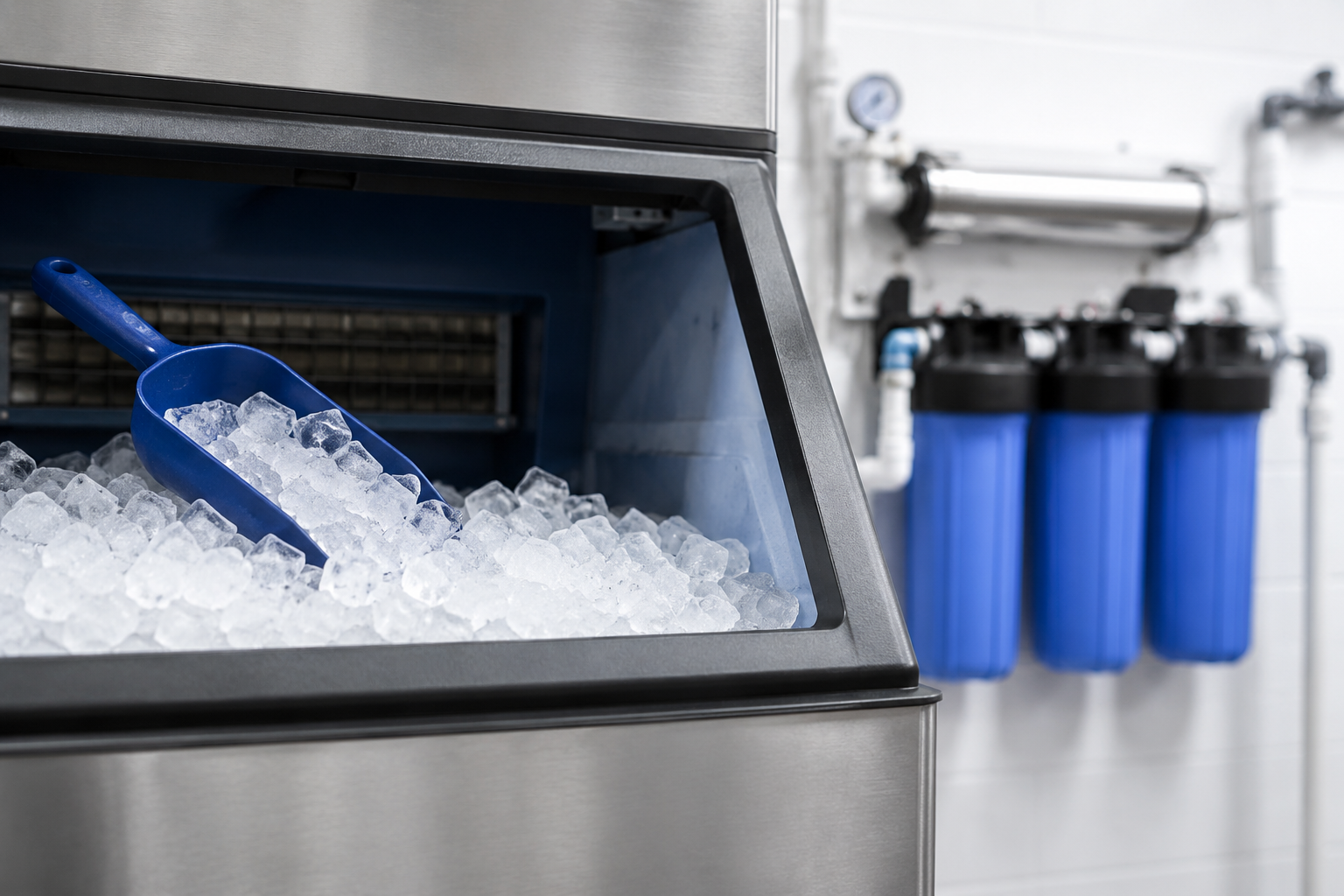
  • Ice machines
  • Coffee and beverage equipment
  • Process equipment
  • Plumbing fixtures and valves


Mineral deposits can increase maintenance requirements and interfere with the long-term performance of certain equipment.


Visible Staining in Customer-Facing Areas


Water quality isn't always hidden behind the scenes.


Restaurants, hotels, salons, gyms, offices, retail properties, and other customer-facing businesses may have sinks, restrooms, showers, glassware, linens, or other surfaces where mineral staining is highly visible.


Even when the underlying issue is naturally occurring groundwater chemistry, customers may simply see a fixture that looks dirty or poorly maintained.


Laundry and Fabric Staining


Businesses that regularly wash towels, uniforms, linens, or other fabrics should pay particular attention to iron and manganese.


Mineral-containing water can contribute to discoloration and staining, creating additional challenges for businesses where clean-looking fabrics are important.


Aqua Solutions has previously explored related mineral issues in our guide to the benefits of removing iron from water.


Which Western Pennsylvania Businesses Should Pay Attention to Well Water Quality?


Any commercial facility using a private well can experience water quality challenges, but certain businesses have particularly strong reasons to monitor their water.


These can include:


  • Restaurants and food-service businesses
  • Hotels and lodging properties
  • Manufacturing facilities
  • Warehouses
  • Farms and agricultural businesses
  • Offices located outside municipal water service areas
  • Salons and personal-care businesses
  • Laundromats
  • Gyms and recreational facilities
  • Automotive businesses
  • Commercial and industrial properties
  • Multi-building facilities


The appropriate treatment system can differ significantly between these applications.


A small office and a large manufacturing facility could draw water from wells with similar iron concentrations but require completely different equipment because their flow rates and daily water demands are different.


How Do You Remove Iron and Manganese From Commercial Well Water?


There isn't one universal "iron filter" that's appropriate for every commercial well.


Treatment depends on several factors, including the form and concentration of the minerals, overall water chemistry, peak flow rate, daily consumption, and the needs of the facility.


Step 1: Test the Well Water


Professional water testing is the starting point.


Testing helps identify what's actually present rather than designing a treatment system around assumptions.


Iron and manganese are also rarely the only characteristics worth considering. Depending on the property and well, hardness, pH, sediment, and other water conditions may influence the treatment approach.


This is particularly important for commercial facilities because an incorrectly selected or undersized system may struggle to keep up during periods of peak demand.


Step 2: Determine the Form of Iron


Not all iron behaves the same way.


Iron may be dissolved in the water, already oxidized into visible particles, or associated with other water conditions. The form of iron can affect which filtration method is appropriate.


This is one reason a solution that works at one commercial property may not work equally well at another.


Step 3: Consider Oxidation and Filtration


Certain iron and manganese treatment systems use oxidation to convert dissolved minerals into particles that can then be captured through filtration.


The exact treatment method should be selected according to the water analysis and application.


Commercial system design also needs to account for how quickly water passes through the equipment. A system needs enough capacity to provide effective treatment while supporting the facility's required flow.


Step 4: Address Hard Water When Necessary


Iron removal and water softening solve different water problems.


If testing shows that a property has both iron or manganese and significant hardness, the treatment design may require multiple stages.


For example, a commercial system could incorporate specialized filtration to address iron and manganese along with a properly sized commercial water softener to address hardness.


The correct combination depends on the water conditions rather than simply adding more equipment.


Why Commercial Water Treatment Needs to Be Properly Sized


Sizing is one of the biggest differences between residential and commercial water treatment.


Commercial facilities can experience large variations in water demand throughout the day.


A restaurant might have significant demand around meal periods. A hotel could experience morning and evening peaks. A manufacturing facility may use large amounts of water during particular production cycles.


A commercial water treatment professional therefore needs to consider factors such as:


  • Peak flow rate
  • Daily water consumption
  • Number of fixtures
  • Well capacity
  • Water chemistry
  • Operating schedule
  • Equipment using treated water
  • Future facility needs


Installing a system based solely on the building's square footage or number of employees can overlook how the facility actually consumes water.


Aqua Solutions designs customized commercial water treatment solutions around both water conditions and operational requirements.


Can a Water Softener Remove Iron From Commercial Well Water?


This is a common question, particularly when a commercial property already has hard water.


Some water softeners may handle limited amounts of certain forms of iron under appropriate conditions, but a water softener shouldn't automatically be treated as an iron-and-manganese filtration system.


Higher concentrations or different forms of iron can require dedicated treatment.


Trying to make one piece of equipment solve every water quality problem can also result in increased maintenance and disappointing performance.


Testing first allows a professional to determine whether the facility needs filtration, softening, oxidation, another treatment method, or a combination of technologies.


Why Treat the Water Instead of Continually Cleaning the Stains?


Cleaning addresses the visible result. Water treatment addresses the source.


If a commercial property repeatedly develops orange, brown, or black stains shortly after fixtures are cleaned, continually increasing the cleaning schedule doesn't change what's entering the building.


The same principle applies to equipment.


Removing mineral problems before the water reaches affected fixtures and equipment can provide a more comprehensive approach than repeatedly dealing with deposits downstream.


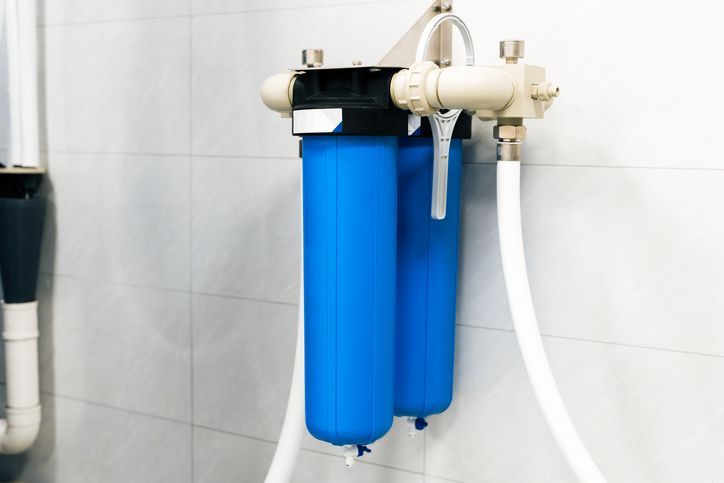
For businesses with significant water demand, whole-building or appropriately designed point-of-entry treatment can address the water before it's distributed throughout the facility.


Commercial Well Water Treatment in Butler County and Western Pennsylvania


Well water varies considerably from property to property throughout Western Pennsylvania.


Two businesses located relatively close to each other can have different wells, mineral concentrations, water chemistry, and treatment requirements. That's why choosing commercial water treatment based solely on a neighboring property's system isn't necessarily the best approach.


Aqua Solutions works with commercial customers in Butler, Butler County, Pittsburgh, and surrounding Western Pennsylvania communities to identify water problems and develop treatment systems suited to each application.


Depending on the results of testing and the facility's requirements, a customized solution may include:


  • Iron and manganese filtration
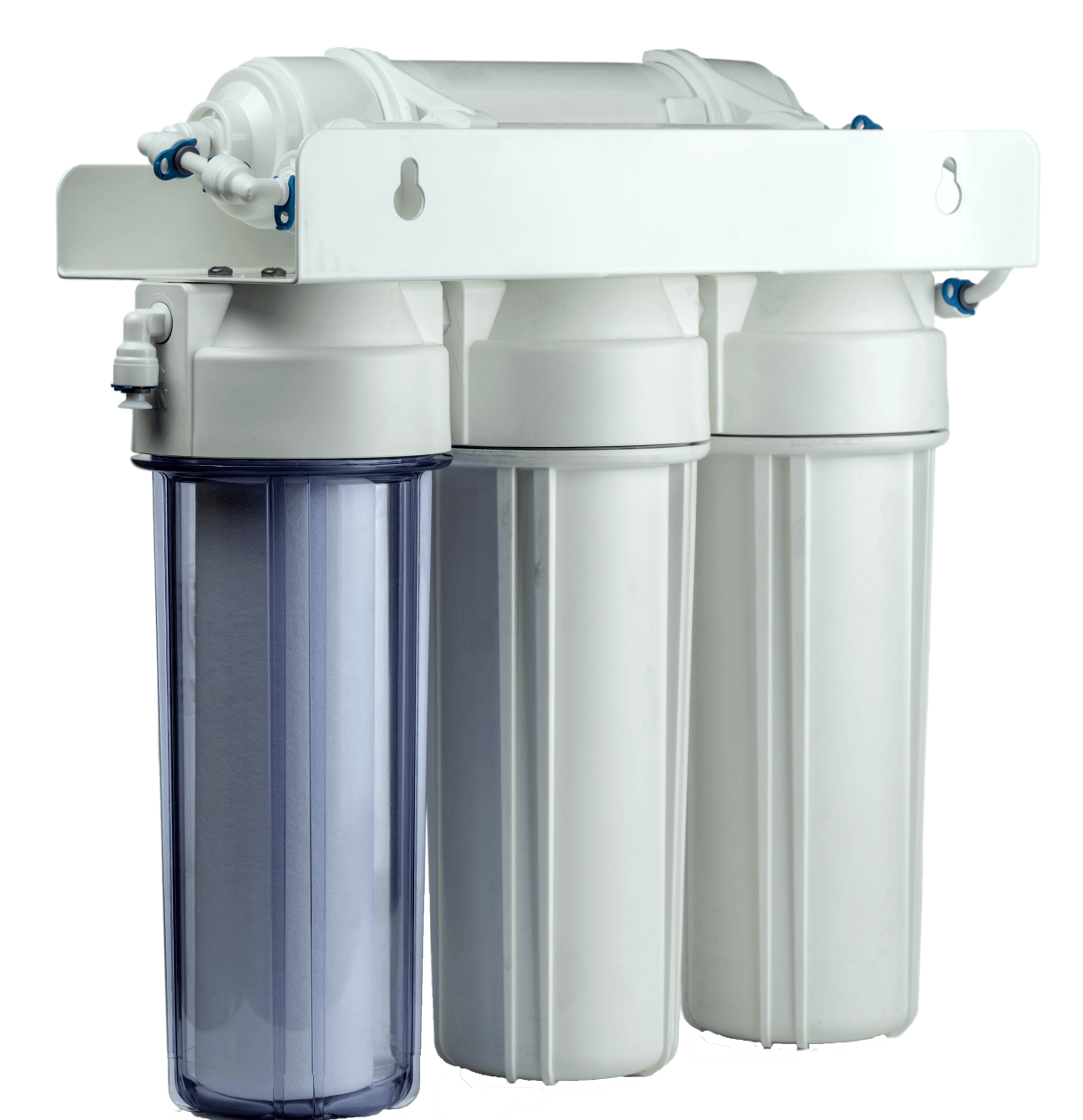
  • Sediment filtration
  • Commercial water softening
  • Reverse osmosis
  • UV water treatment
  • Whole-building filtration
  • Multiple treatment stages


The goal is to match the equipment to the water—not force the water problem into a predetermined system.


When Should Your Business Have Its Well Water Evaluated?


Consider a professional water evaluation if your facility has started experiencing unexplained staining, discoloration, sediment, recurring mineral deposits, or increased maintenance involving water-using equipment.


Testing is also valuable when purchasing a commercial property with a private well, expanding a facility, replacing existing treatment equipment, or adding equipment with specific water requirements.


Even if you already know that iron is present, updated testing can help determine its concentration and identify other water conditions that could influence system design.


Frequently Asked Questions About Commercial Iron and Manganese Removal

What causes orange stains from commercial well water?


Orange, reddish, or brown staining is commonly associated with iron in well water. Testing can confirm whether iron is responsible and determine its concentration before treatment equipment is selected.


What causes black stains from well water?


Manganese can contribute to dark brown or black staining and deposits. Because several water conditions can cause discoloration, testing is the best way to identify the source.


Does commercial well water need filtration?


Not every well requires the same treatment. The need for filtration depends on water testing results, how the facility uses water, and the specific problems the business wants to address.


What type of filter removes iron and manganese?


The appropriate filtration method depends on the concentration and form of the minerals as well as other aspects of the water chemistry. Oxidation followed by filtration is one potential approach, but commercial systems should be selected based on testing and flow requirements.


Can iron damage commercial equipment?


Iron and mineral deposits can contribute to buildup and increased maintenance in certain water-using equipment. The impact varies based on water chemistry, mineral concentration, equipment design, and usage.


How is a commercial iron filter different from a residential system?


Commercial systems typically need to accommodate greater flow rates, larger daily water volumes, more demanding operating schedules, and specialized equipment. Proper sizing is therefore particularly important.


Can Aqua Solutions treat both iron and hard water?


When testing identifies multiple water problems, a treatment system can be designed with different stages to address them. Aqua Solutions develops customized solutions based on the property's water conditions and commercial requirements.


Stop Treating the Stains. Find Out What's Causing Them.


Recurring orange, brown, or black stains can be a sign that your commercial well water needs attention.


Instead of continually cleaning fixtures or addressing mineral buildup after it occurs, determine what's actually in your water and whether treatment can address the problem at its source.


Aqua Solutions provides customized commercial water treatment for businesses in Butler County, Pittsburgh, and throughout Western Pennsylvania. Our team can evaluate your water conditions, commercial water demand, and facility requirements to recommend a professionally installed solution designed for long-term performance.


Contact Aqua Solutions to schedule a commercial water evaluation and discuss the right treatment approach for your facility.


Author: Gary Monks


Gary Monks has led Aqua Solutions since 1997, earning recognition as a water treatment expert with 25 years of experience. Renowned in Butler, he has won the Best Water Treatment award for three years and actively supports the community, including local sports and radio engagements.
By Gary Monks July 13, 2026
Aqua Solutions provides commercial water treatment for breweries and beverage producers to support process water and batch consistency.
By Gary Monks June 29, 2026
Improve ice clarity, reduce scale buildup, and extend the life of your commercial ice machine with professional water treatment solutions from Aqua Solutions.
By Gary Monks May 21, 2026
Spotty dishes and cloudy glassware can create daily frustration in a commercial kitchen. A glass may come out of the dishwasher looking dull. Plates may show white residue even after a full wash cycle. Silverware may look streaked, even when staff are following the right cleaning procedures. For restaurants, catering companies, banquet halls, event venues, and hospitality businesses, these issues are more than cosmetic. When dishes and glassware do not look clean, customers notice. Even if the items have been washed and sanitized, visible spots or film can affect how people perceive the quality of the meal, the cleanliness of the facility, and the professionalism of the business. Behind the scenes, staff may spend extra time rewashing dishes, polishing glassware, changing chemicals, or troubleshooting dishwasher performance. One common cause of these issues is hard water. Hard water is full of minerals such as calcium and magnesium. In a commercial dishwashing environment, those minerals can remain behind after water evaporates, leaving spots, streaks, and cloudy residue. Over time, hard water can also contribute to scale buildup inside dishwashers, plumbing, spray arms, and heating elements. Commercial water softeners help address these problems at the source. By reducing hardness minerals before water reaches the dishwasher, a properly sized system can help improve rinse quality, reduce visible residue, protect equipment, and support a smoother kitchen workflow. For high-volume businesses that depend on clean dishes and clear glassware throughout the day, water softeners for restaurants can be a practical long-term solution. What Causes Spots and White Film on Dishes? Spots and white film are often linked to the mineral content in hard water. Hard water contains dissolved minerals, most commonly calcium and magnesium. These minerals are naturally picked up as water moves through soil, rock, and underground sources before reaching a building’s plumbing system. When hard water is used in a dishwasher, it rinses over dishes, glasses, utensils, and the machine's surfaces. As the water dries or evaporates, the minerals do not. Instead, they can remain behind on the surface. This is what often leaves the visible residue that kitchen staff sees after a dishwashing cycle. Spotting usually appears as small marks or dots on glassware, silverware, or dishes. These spots are often most noticeable on clear glasses, wine glasses, and polished utensils. Streaking may look like thin lines or trails where water dried unevenly. White film is usually more widespread and can make glassware look cloudy or dishes look dull. In some cases, the problem may be mistaken for poor washing, the wrong detergent, or employee error. While those factors can play a role, hard water is often a major contributor. If staff are using the correct wash procedures but dishes still come out with residue, it may be time to look at the water itself. Understanding the cause of the residue is the first step toward choosing the right solution for a commercial kitchen. The Impact of Hard Water on Commercial Dishwashing Hard water can affect dishwashing results in several ways. In a residential setting, the result may be frustrating. In a commercial kitchen, the impact can be more significant due to the volume of dishes, glasses, pans, utensils, and serving ware washed every day. One of the most visible effects is poor rinse quality. Even when a dishwasher is working properly, hard water can leave minerals behind after the rinse cycle. This residue can make clean items look dirty. For restaurants and event venues, that creates a presentation problem. Guests expect glassware to be clear and plates to look clean. When residue is visible, it can lead to complaints or extra work for staff. Hard water may also increase detergent and rinse aid usage. Businesses often try to correct spots and film by adding more chemicals. While chemical adjustments may help in some situations, they do not always solve the underlying water hardness issue. Over time, using more detergent or rinse aid can increase operating costs without fully eliminating the problem. Scale buildup is another concern. As minerals collect inside dishwashers, plumbing lines, heating elements, and spray components, they can interfere with performance. Scale can restrict water flow, affect heating efficiency, and contribute to maintenance issues. A machine that has to work harder may also become less efficient. Hard water can also slow down kitchen operations. Staff may need to inspect more items after each cycle, rewash dishes that should have been ready to use, or polish glassware by hand before service. During peak hours, this can create delays. In catering and event venues, where large quantities of dishes and glassware are needed at specific times, delays can affect the entire service flow. For commercial kitchens, understanding the link between water quality and dishwasher performance can help managers make better operational decisions. How Water Softeners Improve Dishwashing Results Water softeners improve dishwashing results by reducing the hardness minerals that cause spots, streaks, film, and scale. Most commercial water softeners use an ion exchange process. During this process, calcium and magnesium minerals are exchanged for sodium or potassium ions, depending on the system setup. The result is softened water that is less likely to leave mineral residue behind. When softened water enters a commercial dishwasher, it can help detergents perform more effectively. Hard minerals can interfere with cleaning agents, making it more difficult to achieve a clean rinse. By reducing the amount of those minerals, the dishwasher can produce cleaner-looking results with less visible residue. For glassware, softened water can help reduce cloudy film and spotting. This is especially important for restaurants, banquet halls, bars, wineries, hotels, and event spaces where glass presentation matters. Clear glassware gives guests confidence that the item is clean and ready to use. For plates, bowls, utensils, and serving pieces, softened water can help produce a cleaner appearance after washing and rinsing. This supports a more consistent standard across the kitchen, especially during high-volume periods. Commercial water softeners can also help reduce reliance on excess detergent and rinse aid. Every business is different, and chemical usage depends on the dishwasher, water quality, and cleaning requirements. However, when hard water is controlled, many kitchens are better positioned to use cleaning products more efficiently. Consistency is especially important in commercial environments. Restaurants and venues do not wash dishes once or twice a day. They may run dishwashing equipment repeatedly during prep, service, and cleanup. A properly sized commercial water softening system helps support steady water quality, so results are not left to chance during busy shifts. Benefits for Commercial Kitchens and Event Venues Improved Presentation Presentation matters in food service. Customers may not think about the dishwashing process, but they do notice when a glass is cloudy or a fork has spots. Clear glassware and spotless-looking dishes help support a clean, professional dining experience. This is important for restaurants, catering companies, banquet halls, hotels, country clubs, and event venues. In these settings, dishes and glassware are part of the overall guest impression. A cloudy water glass at a wedding reception or a spotted wine glass in a dining room can distract from the experience. Water softeners for restaurants help address the water-quality issues that often contribute to these visual problems. When hardness minerals are reduced, glassware and dishes are more likely to come out looking clean after the normal wash and rinse cycle. Reduced Rewash Cycles Rewashing takes time. When staff have to send items through the dishwasher again, the kitchen incurs labor, water, and energy costs, and loses chemical efficiency. During slower periods, this may be inconvenient. During busy service, it can create real workflow problems. A restaurant may need glassware turned around quickly between seatings. A banquet hall may need hundreds of plates ready at once. A catering company may need clean serving ware, packed and ready for transport. Rewash cycles interrupt that process. By improving rinse quality and reducing residue, commercial water softeners can help reduce the number of items that need to be rewashed due to spots or film. This helps staff stay focused on service rather than correcting avoidable dishwashing issues. Lower Operating Costs Hard water can increase operating costs in several ways. Businesses may use more detergent, more rinse aid, more water, and more energy when they are trying to correct dishwashing issues. Staff may also spend more time inspecting, polishing, and rewashing items. A water softener can help reduce these costs by improving the quality of water entering the dishwasher. When the dishwasher uses softened water, cleaning products may perform more consistently, and fewer items may need additional attention after the cycle. The exact savings will vary by business. Factors such as water hardness, dishwashing volume, equipment type, and chemical usage all matter. Still, in high-volume kitchens, even small efficiency improvements can make a noticeable difference over time. Equipment Protection Scale buildup is one of the most important long-term concerns with hard water. Commercial dishwashers are valuable pieces of equipment and are heavily used. When calcium and magnesium minerals collect inside the machine, they can affect heating elements, nozzles, spray arms, valves, and internal surfaces. Scale can also build up in plumbing connected to the dishwasher. Over time, this may reduce water flow or make equipment work harder than it should. That can lead to more frequent maintenance needs and potential performance issues. Commercial water softeners help protect dishwashers and related plumbing by reducing the minerals that contribute to scale. This does not replace regular maintenance, but it can support better equipment care and help reduce avoidable wear linked to hard water. Better Workflow Efficiency Dishwashing is part of the larger kitchen workflow. When dishes, glasses, and utensils move smoothly through the system, staff can keep up with demand. When items come out spotted or cloudy, the process slows down. During peak hours, every delay matters. Servers may wait for clean glassware. Prep staff may need utensils or mixing bowls. Banquet teams may need racks of plates ready for the next course. If dishwashing results are inconsistent, the effects can spread across the operation. Softened water helps create more predictable dishwashing results. That consistency can make it easier for staff to maintain pace, reduce unnecessary handling, and keep clean items available when needed. Signs Your Business Needs a Water Softener Not every dishwashing issue is caused by hard water, but several signs indicate that water hardness may be affecting your commercial kitchen. One common sign is white film or spots on dishes and glassware. If items look cloudy after washing or show residue after drying, minerals may be left behind during the rinse cycle. Frequent rewashing is another warning sign. If staff regularly need to run dishes, glasses, or utensils through another cycle because they do not look clean, the water quality should be evaluated. Chalky residue inside the dishwasher can also point to hard water. This may appear on interior walls, racks, spray arms, or other surfaces. If scale is visible inside the machine, it may also be forming in areas that are harder to see. Reduced dishwasher performance can be another indicator. If cycles seem less effective than they used to be, or if dishes are not rinsing as well, scale buildup or mineral interference may be part of the problem. High chemical usage can also suggest that the business is trying to compensate for hard water. If detergent and rinse aid amounts keep increasing but results remain inconsistent, a water-softening system may be a better long-term solution. Choosing the Right Commercial Water Softener Choosing the right commercial water softener is not as simple as selecting a standard unit and connecting it to the building. Commercial kitchens vary widely in size, water demand, dishwashing volume, and hours of operation. A system that works for a small café may not be suitable for a banquet facility or large restaurant. The first factor to consider is water hardness level. Testing the water helps determine the levels of calcium and magnesium. This information is needed to properly size the system. Daily dishwashing volume is also important. A busy restaurant may run its dishwasher many times throughout the day, while an event venue may have especially heavy use during specific time windows. The system needs to support actual demand, not just average use. Peak usage times should also be considered. A kitchen may use the most water during lunch service, dinner service, event turnover, or post-event cleanup. The softener should be able to keep up during those periods. System capacity and regeneration cycles matter as well. Water softeners need to regenerate to continue removing hardness minerals effectively. For commercial operations, regeneration timing should be planned to avoid interfering with kitchen demand. Customized solutions are important because commercial water use is not one-size-fits-all. Aqua Solutions can help evaluate water hardness, usage patterns, equipment needs, and space considerations to recommend a properly sized commercial water softening system. Proper sizing and installation help ensure the system supports the kitchen’s workflow instead of creating new limitations. Long-Term ROI of Water Softening The return on investment for commercial water softeners often comes from several areas working together. The first is reduced chemical costs. When hard water is controlled, businesses can use detergent and rinse aid more efficiently. This can reduce waste and support more consistent dishwashing results. Maintenance and repair costs are another consideration. Hard water scale can contribute to equipment problems over time. By reducing scale buildup, a water softener can help protect dishwashers, heating elements, plumbing, and related components. This may help reduce service issues linked to mineral accumulation. Equipment lifespan is also part of the long-term value. Commercial dishwashers are important investments. Keeping hardness minerals under control can help support better equipment performance and reduce unnecessary strain caused by scale. Labor efficiency is another practical benefit. Every rewash cycle takes time. Every glass that needs hand polishing takes time. Every dishwasher issue that slows down service affects staff productivity. By helping dishes and glassware come out cleaner the first time, softened water can support a more efficient team. Customer satisfaction also matters. Clear glassware, clean-looking dishes, and consistent presentation all contribute to the dining experience. Fewer visible residue issues may mean fewer complaints and less staff time spent responding to preventable problems. The exact ROI depends on the business, its water quality, and its dishwashing volume. However, for many commercial kitchens, the value of water softening is not limited to one cost category. It can support presentations, workflows, chemical efficiency, maintenance planning, and equipment protection simultaneously. Commercial Water Softeners Can Help Solve Dishwashing Problems at the Source  Spotty dishes, cloudy glassware, and frequent rewash cycles can be frustrating for any commercial kitchen. These issues affect presentation, labor, operating costs, and customer perception. While detergent changes or dishwasher adjustments may help in some cases, the root cause is often the water itself. Hard water leaves calcium and magnesium minerals behind after washing and rinsing. Those minerals can create spots, streaks, white film, and scale buildup inside equipment. Over time, the problem can become more than a cosmetic issue. Commercial water softeners help reduce hardness minerals before water reaches the dishwasher. For restaurants, catering companies, banquet halls, event venues, and hospitality businesses, the result can be cleaner glassware, better rinse quality, fewer rewash cycles, and improved equipment protection. Aqua Solutions provides custom commercial water-softening systems designed for each business’s water quality, usage volume, and operational needs. If your kitchen is dealing with cloudy glassware, white film, frequent chemical use, or constant re-washing, a professionally sized water softener may help improve results and support a more efficient dishwashing process. Contact Aqua Solutions to learn more about commercial water softeners and restaurant water softeners.
April 20, 2026
Learn when businesses need reverse osmosis vs standard filtration. Compare cost, purity, and performance to choose the right system.
March 20, 2026
Aqua Solutions helps property managers address hard water, odor, staining, and other common apartment building water problems.
By Gary Monks February 17, 2026
Improve water quality across your entire commercial property with whole-building filtration. Reduce complaints, protect equipment, and support tenant satisfaction.
By Gary Monks January 23, 2026
Learn how poor water quality in gym locker rooms and showers impacts health, safety, and facility maintenance. Discover smart solutions.
The Hidden Impact of Chlorine on Spa Equipment and Guest Comfort
By Gary Monks December 12, 2025
Discover how chlorine affects spa equipment and comfort—and learn solutions to reduce wear, irritation, and maintenance with better filtration and monitoring.
Water Filtration for Gyms & Spas: Why It Matters for Equipment and Clients
November 26, 2025
Clean water keeps clients safe & extends your spa or gym equipment’s life. Discover why filtration is a must for performance & hygiene.
Hard Water Solutions for Laundromats & Hair Salons: Softness You Can See & Feel
By Gary Monks August 11, 2025
Protect fabrics, hair, and equipment! Aqua Solutions offers hard water solutions for laundromats and salons that deliver softness you can see and feel.
More Posts