Commercial RO Water Systems: When Businesses Need Reverse Osmosis vs Standard Filtration
When water quality affects daily operations, choosing the right treatment system becomes a business decision, not just a maintenance issue. Restaurants depend on consistent water for food and beverage quality. Medical offices need reliable water quality for specific equipment and sanitation-related processes. Gyms, spas, and commercial facilities want to protect plumbing systems, enhance the user experience, and reduce long-term wear on fixtures and appliances.
For many businesses, the question is not whether water treatment matters, but rather how to do it. The question is whether a standard filtration system is enough or if a commercial reverse osmosis system is the better fit.
The answer depends on how the water is being used, what problems the business is trying to solve, and what the local water actually contains. Some businesses only need to reduce sediment, chlorine, and unpleasant taste. Others need much higher water purity because dissolved minerals and total dissolved solids can interfere with products, equipment, and customer experience.
This guide breaks down the difference between commercial reverse osmosis systems and standard filtration so business owners can make the best decision and choose a system that fits their operations.
Understanding Standard Water Filtration
Standard water filtration is often the right starting point for commercial water treatment. These systems are designed to enhance water quality by removing common issues such as sediment, chlorine, rust particles, and certain compounds that affect taste and odor.
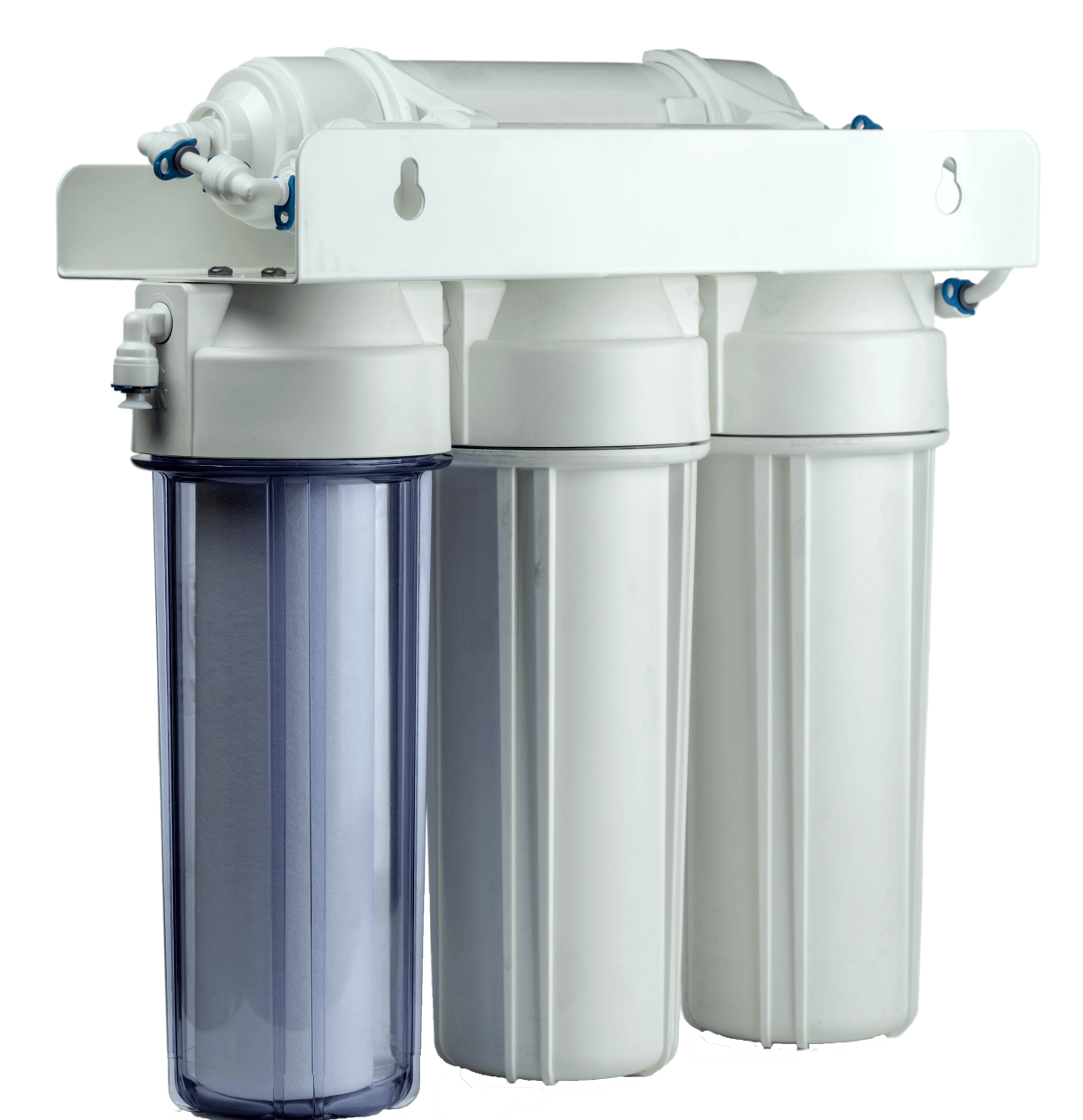
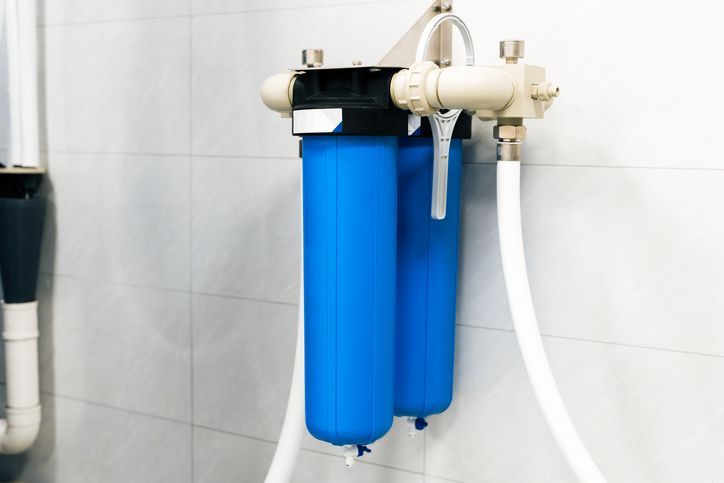
In a commercial setting, standard filtration may include sediment, activated carbon, or specialty media filters. Each one serves a different purpose. Sediment filters help trap dirt, sand, silt, and debris before those particles can move through plumbing or equipment. Carbon filters are commonly used to reduce chlorine and improve taste and smell. Depending on the system design, businesses may use multiple filtration stages to address multiple concerns simultaneously.
For many facilities, this type of treatment is enough. If the goal is to protect plumbing, reduce chlorine exposure, or improve the taste of municipal water, standard filtration can often deliver a practical and cost-effective solution. It is also typically easier to install and maintain than a more advanced purification system.
That said, standard filtration has limits. It generally does not remove dissolved solids, salts, or many minerals that stay in the water after physical particles and chlorine have been filtered out. If those dissolved contaminants are causing scale buildup, residue, spotting, or consistency issues in a business process, a filtration-only approach may not be sufficient.
What Is Reverse Osmosis (RO)?
Reverse osmosis is an n advanced water treatment technique that removes a much wider range of contaminants than standard filtration alone. Instead of only targeting larger particles or chlorine, RO uses pressure to push the water through a semipermeable membrane. That membrane blocks many dissolved solids, minerals, salts, and other impurities.
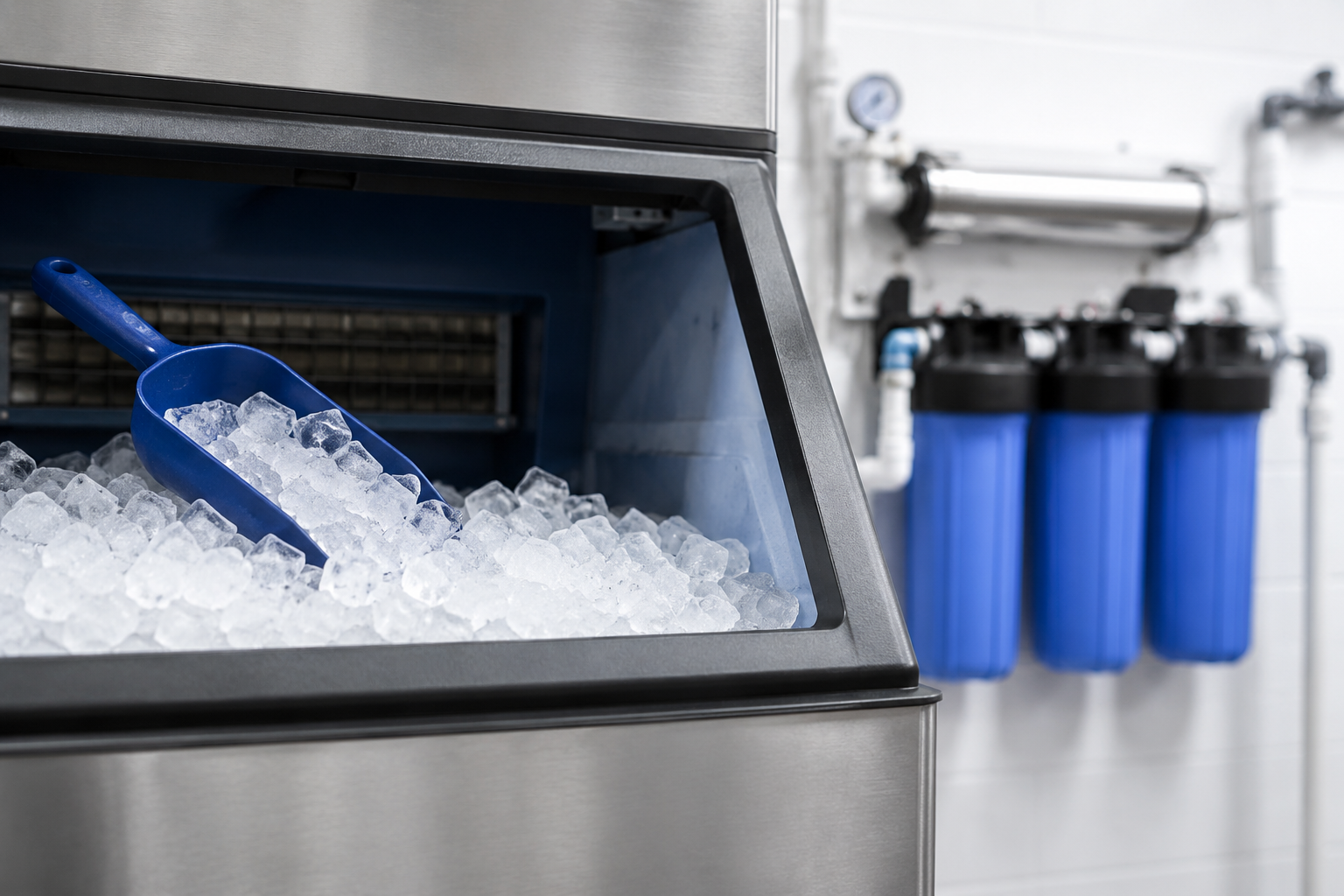
In commercial environments, reverse osmosis systems are often used when high-purity water is important to performance, product quality, or equipment protection. An RO system is usually part of a larger setup that includes pre-filters, the RO membrane, and, sometimes, storage tanks or delivery pumps to meet business demand.
This makes reverse osmosis especially useful for businesses dealing with high total dissolved solids, hard water minerals, or ingredient-sensitive applications. It can help reduce scale, improve consistency, and produce cleaner water for specialized uses.
Key Differences: RO vs Standard Filtration
While both systems improve water quality, they do not solve the same problems. Standard filtration is usually intended to improve general water conditions, while reverse osmosis is designed for much deeper purification.
When comparing standard filtration and reverse osmosis, the biggest difference is the level of purification each system provides.
- Both systems remove sediment, which helps protect plumbing and equipment from debris and buildup.
- Both can reduce chlorine, improving water taste and odor.
- Standard filtration has a limited ability to remove dissolved solids, whereas reverse osmosis is specifically designed to reduce dissolved minerals, salts, and other contaminants.
- Standard filtration provides moderate water improvement, which is often enough for general commercial use.
- Reverse osmosis delivers a higher level of water purity, making it better for businesses with stricter water quality requirements.
- Standard filtration systems usually cost less to install and maintain.
- Reverse osmosis systems typically cost more, but they can be worth it when water purity directly affects product quality or equipment performance.
- Standard filtration typically supports higher flow rates, which is helpful for businesses that need a large volume of treated water.
- Reverse osmosis systems often have lower flow rates because the purification process is more intensive.
Important takeaway: Reverse osmosis is not always necessary. Many businesses do very well with a standard filtration system, especially when the goal is to improve taste, reduce chlorine, and protect plumbing. RO is usually the better choice when high-purity water is needed or dissolved solids are causing operational issues.
The most important difference is what each system removes. Standard filtration is very effective for sediment, chlorine, and taste-and-odor concerns. It can make water cleaner, better tasting, and easier on plumbing systems. However, it usually does not remove dissolved minerals and salts that stay suspended in the water.
Reverse osmosis goes further by reducing total dissolved solids and producing a much higher level of purity. That matters in businesses where water quality directly affects the final product, equipment performance, or cleanliness standards. Coffee flavor, brewery consistency, spotting on finished surfaces, and mineral buildup in specialized equipment are all examples of situations where RO can offer a clear advantage.
Cost and output also matter. Standard filtration systems are generally less expensive to install and maintain, and they support higher flow rates. That makes them a practical option for facilities that need large volumes of treated water for general use. Reverse osmosis systems usually cost more upfront, may require more maintenance, and often produce water more slowly because of the membrane process.
This is why RO is not automatically the better choice for every business. In some cases, installing reverse osmosis where standard filtration would do the job can increase costs without adding much value. In other cases, relying on a basic filtration system when high-purity water is needed can lead to ongoing equipment problems, inconsistent results, and avoidable maintenance expenses.
When Businesses Need Standard Filtration
For many commercial properties, standard filtration provides the right balance of performance, simplicity, and cost control. Businesses that want to improve overall water quality without requiring purified water often benefit most from a well-designed filtration system.
A common use case is general plumbing protection. Sediment and debris can wear down valves, clog fixtures, and shorten the lifespan of water-using equipment. A standard filtration system helps catch those materials before they become a larger maintenance issue.
Filtration also makes sense when the main concern is chlorine, taste, or odor. In gyms, spas, office buildings, and apartment complexes, improving water quality at faucets, showers, and breakroom sinks can make a noticeable difference in day-to-day use. It can also improve the performance and longevity of water heaters, appliances, and other connected systems by reducing exposure to contaminants that create unnecessary wear.
This type of system is often ideal for facilities that do not need highly purified water for production or specialized equipment. In those cases, standard filtration offers a practical way to improve water quality without adding the higher cost and complexity of commercial reverse osmosis systems.
When Businesses Need Reverse Osmosis
Reverse osmosis becomes the stronger option when water quality directly affects product consistency, cleanliness, or equipment performance. Businesses in these settings often need more than general improvement. They need greater control over what stays in the water and what is removed.
Restaurants and coffee shops are a strong example. Water influences flavor, appearance, and consistency in coffee, tea, fountain beverages, soups, and ice. If the source water contains high levels of dissolved minerals or other impurities, the final product can vary from batch to batch. Reverse osmosis can help create a more stable foundation for beverage and food preparation.
Breweries and beverage producers also often rely on tighter water quality standards. When water is part of the product, dissolved solids and mineral content matter. A commercial RO system can help reduce unwanted variables and support more consistent production.
Medical and dental offices may need reverse osmosis for certain sterilization, equipment, or process-related uses where mineral content and purity levels can affect performance. Laboratories and some manufacturing environments may also require higher-purity water for sensitive applications.
Other businesses may need RO for specific water problems rather than for their industry alone. High TDS levels, mineral spotting, surface residue, scale buildup, or issues with ingredient-sensitive applications are all signs that standard filtration may not be sufficient. Car washes and light industrial facilities often fall into this category when dissolved minerals affect finish quality or equipment reliability.
In these situations, reverse osmosis is not just about cleaner water. It is about protecting operations, reducing inconsistency, and solving water quality problems that basic filtration cannot fully address.
Key Factors to Evaluate Before Installing a System
Before choosing between commercial reverse osmosis systems and standard filtration, businesses should consider a few practical factors.
The first is water quality testing. A professional water test helps identify what is actually in the supply, including sediment, chlorine, hardness minerals, and total dissolved solids. Without that information, it is easy to overspend on unnecessary treatment or choose a system that does not address the real problem.
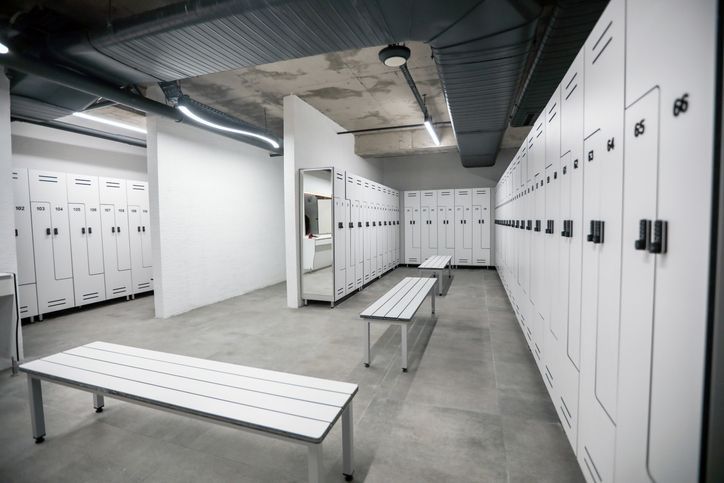
Daily water usage also matters. A restaurant with steady kitchen demand, a gym with multiple locker rooms, and a medical office with specialized equipment all use water differently. The right system must be sized to match actual usage patterns, not just installed as a generic solution.
Flow rate requirements are another important consideration. Some businesses need a high volume of treated water quickly, while others can work with lower, more controlled output. This is especially relevant when comparing standard filtration to RO, since reverse osmosis systems usually produce treated water at a slower rate.
Space and installation constraints should also be part of the conversation. Commercial water treatment equipment needs room for proper setup, service access, and, in some cases, storage or drain connections.
Maintenance expectations are equally important. Filters and membranes need routine replacement, and the right system should be one that the business can realistically support over time.
Finally, the budget should be evaluated in terms of long-term return, not just upfront cost. A lower-cost system may save money initially, but if it fails to address scale, residue, or water quality issues that harm equipment or product consistency, it may cost more over time.
This is where Aqua Solutions’ custom design approach matters. The best commercial system is the one built around the business’s actual water conditions, operational demands, and maintenance goals.
Why Customization Matters for Commercial Systems
Not every business needs reverse osmosis, and not every business should rely solely on basic filtration. Commercial water treatment works best when the system is matched to the application.
Over-treating water can increase upfront and ongoing costs without improving outcomes in a meaningful way. Under-treating water can leave businesses dealing with the same taste issues, mineral buildup, or performance problems they were trying to solve in the first place. Either way, a generic recommendation can lead to wasted money.
Aqua Solutions takes a customized approach because local water conditions, business type, usage volume, and equipment demands all influence the right answer. A coffee shop and an apartment complex may both want better water, but they do not need the same solution. Neither does a dental office and a fitness center.
With local water expertise, tailored system recommendations, and ongoing support, Aqua Solutions helps businesses choose treatment that fits their operations instead of forcing them into a one-size-fits-all system.
Call Aqua Solutions for Professional Water Filtration Installation
When comparing commercial reverse osmosis systems to standard filtration, the most important question is what your business actually needs the water to do.
Standard filtration is often the right choice for improving general water quality. It can reduce sediment, chlorine, and taste or odor issues while helping protect plumbing and equipment. Reverse osmosis is better suited for businesses that need high-purity water, need to reduce dissolved solids, or are dealing with quality issues that basic filtration cannot solve.
The right system depends on your water quality, your daily demand, and how water affects your operations.
Not sure which system your business needs? Aqua Solutions provides customized commercial water treatment solutions based on your specific water quality and operational needs. Contact us today to schedule a consultation.

Author:
Gary Monks
Gary Monks has led Aqua Solutions since 1997, earning recognition as a water treatment expert with 25 years of experience. Renowned in Butler, he has won the Best Water Treatment award for three years and actively supports the community, including local sports and radio engagements.