Back-to-Business Water Quality: Preparing Schools, Offices & Facilities for Peak Use
When schools return to full schedules, offices bring more employees back on-site, or commercial facilities enter a busier season, water usage can increase quickly. Restrooms see more traffic, break rooms become busier, drinking water stations are used more frequently, and equipment that relies on treated water may operate for longer periods each day.
Preparing for that increased demand should include more than checking HVAC systems, cleaning common areas, and restocking supplies. It is also a good time to evaluate your commercial water treatment system.
Periods of reduced occupancy can change how water moves through a building and how frequently filtration and softening equipment operates. Filters may be approaching the end of their service life, maintenance may be overdue, or a system that handled reduced demand without an issue may need attention before regular usage resumes.
A proactive review can help schools, offices, property managers, and other commercial facilities identify water treatment concerns before they become more disruptive during peak use.
Why Water Quality Deserves Attention Before Occupancy Increases
Commercial buildings can have dramatically different water demands depending on how many people are using the facility. A school during summer break, for example, may have considerably less water moving through the building than it does once students and staff return. Offices can experience similar changes when employees return after vacation periods or seasonal schedule changes.
When water use has been reduced, reopening preparation provides an opportunity to check the condition of the water treatment equipment.
The goal is not simply to determine whether water comes out of the faucet. Facility managers should consider whether the filtration and treatment systems are operating as intended and whether they are prepared for the building's upcoming demand.
That can include reviewing:
- Filter condition and replacement schedules
- Water softener operation
- Salt levels where applicable
- System settings
- Water pressure and flow
- Signs of leaks
- Unusual tastes or odors
- Visible sediment or discoloration
- Scale around fixtures and water-using equipment
- Changes in overall water quality
A system inspection before occupancy increases gives facility managers an opportunity to address maintenance needs without waiting for employees, students, tenants, customers, or visitors to begin noticing problems.
Start by Checking Your Commercial Water Filtration System
Filters are an important place to begin.
Commercial water filtration systems are designed around particular water conditions, flow rates, treatment objectives, and usage requirements. The type of filter and its maintenance needs can therefore vary considerably from one facility to another.
A filter that has reached the end of its recommended service life may not perform as intended. Waiting until there is an obvious change in water quality is not an ideal maintenance strategy.
Review the manufacturer's recommended replacement schedule and your facility's maintenance records. If the building has experienced significant changes in occupancy or water usage, it may also be worth having the system professionally evaluated rather than relying exclusively on a calendar-based replacement schedule.
Facility managers should also inspect accessible components for signs that something has changed. Reduced water pressure, unusual noises, leaks, or noticeable changes in water can warrant additional investigation.
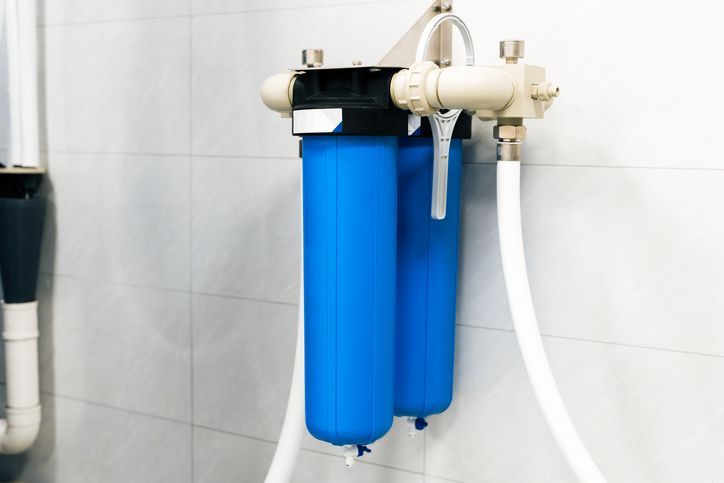
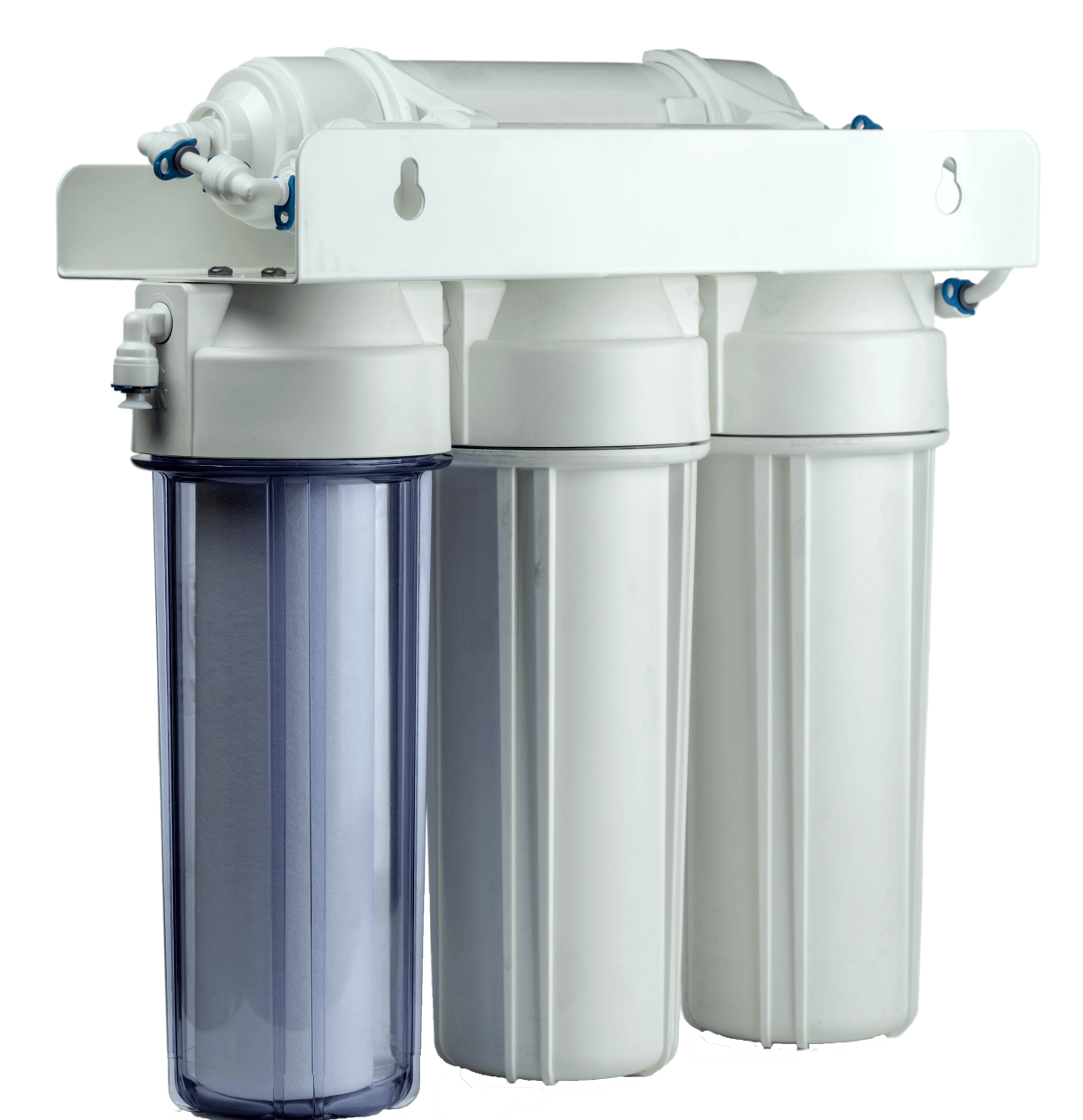
For facilities with multiple treatment components, each part of the system should be considered. A commercial water treatment setup could include sediment filtration, carbon filtration, water softening, reverse osmosis, or other treatment technologies depending on the building and its water.
The appropriate maintenance process should be based on the actual equipment installed.
Why Flushing and Sanitizing May Be Part of Your Preparation
After a building or portion of a facility has experienced reduced use, flushing may be an important part of preparing for increased occupancy.
Water can remain in portions of a plumbing system when fixtures are not being used regularly. The appropriate flushing process depends on the building, plumbing configuration, equipment, and circumstances, so commercial facilities should follow applicable professional, manufacturer, and public-health guidance.
Water treatment equipment may have its own procedures as well.
Aqua Solutions provides additional information about Flushing and Sanitizing Your Water Filtration System, including considerations for maintaining filtration equipment.
Sanitizing should not be treated as a universal DIY procedure. Different filtration and treatment systems have different components, materials, and maintenance requirements. Using an inappropriate cleaning product or procedure can potentially damage equipment or affect its operation.
If you are unsure what your system requires after an extended period of reduced usage, have the equipment evaluated before attempting to sanitize it.
Is Your Water Treatment System Ready for Peak Demand?
A commercial filtration system needs to do more than produce the desired water quality. It also needs to provide enough treated water for the facility's demand.
This becomes particularly important when occupancy changes.
Consider a building that has operated at reduced capacity for several months. A water treatment system may appear to perform normally when only a fraction of the building's fixtures and equipment are being used. Once normal operations resume, demand can increase substantially.
Peak flow rate is especially important.
A system needs to accommodate periods when multiple fixtures or pieces of equipment require water simultaneously. In a school, that might happen between classes or during lunch. In an office, demand can increase during the morning and around breaks. Restaurants, fitness centers, hospitality properties, and other facilities have their own peak-use patterns.
If treated water cannot keep up with demand, the issue may not necessarily be a failed system. The equipment may be undersized, incorrectly configured, overdue for maintenance, or no longer appropriate for how the property is being used.
This is one reason commercial water treatment should be designed around the facility rather than approached as a one-size-fits-all purchase.
Check for Changes in Water Taste, Odor, Appearance and Performance
People who use a building often notice water problems before facility managers receive a formal maintenance request.
An employee may notice an unusual taste at a drinking water station. Staff may see residue around a faucet. A commercial kitchen may notice spotting on glassware. Maintenance personnel may find scale accumulating more quickly than expected.
These observations should not automatically be attributed to one specific water problem. Taste, odor, discoloration, spotting, sediment, and scale can have different causes.
Instead, treat them as signs that the water or treatment equipment may need to be evaluated.
Some common observations include:
- Changes in taste
- Unusual odors
- Cloudiness or discoloration
- Visible particles or sediment
- White mineral deposits
- Scale around faucets and fixtures
- Spotting on glassware
- Reduced water pressure
- Changes in how soaps or detergents perform
A professional evaluation can help determine whether the issue relates to filtration, hardness, system maintenance, plumbing, incoming water conditions, or another factor.
This is particularly important in commercial facilities because treating the wrong problem can mean spending money on equipment that does not address the actual water-quality concern.
Review Water Softening Equipment Too
Water filtration and water softening are related, but they perform different jobs.
If your commercial property uses a water softener, include it in your back-to-business maintenance review.
Water softeners are primarily designed to address hardness minerals such as calcium and magnesium. Hard water can contribute to scale accumulation on fixtures and within water-using equipment.
Before peak usage begins, check the softener according to the manufacturer's maintenance requirements. Depending on the equipment, this can include reviewing salt levels, system settings, regeneration performance, and other operating conditions.
It can also be useful to determine whether the system is still properly sized for the facility.
A building's water requirements can change. A property may add employees, expand operations, install new equipment, renovate restrooms, or change how particular areas are used. A softener selected for the building's previous demand may not necessarily be appropriate indefinitely.
If scale has started appearing more frequently or water no longer seems as soft as expected, testing the water can provide more useful information than simply adjusting settings without knowing the underlying cause.
Different Facilities Have Different Water Treatment Needs
One of the biggest mistakes businesses can make when evaluating commercial water treatment is assuming every facility needs the same solution.
The appropriate treatment depends on both the incoming water and how the water will be used.
Schools
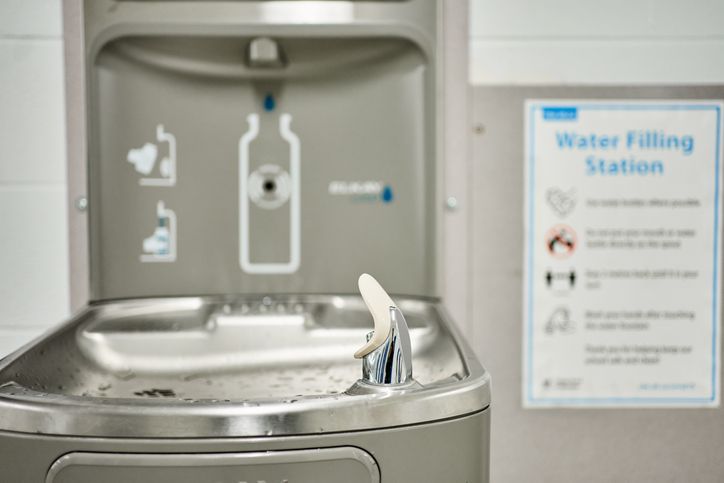
Schools can experience large fluctuations in occupancy throughout the year. Water is used in drinking fountains, bottle-filling stations, restrooms, cafeterias, kitchens, athletic facilities, and other areas.
Preparing for the school year should include evaluating whether existing treatment equipment is maintained and capable of supporting normal occupancy.
Offices
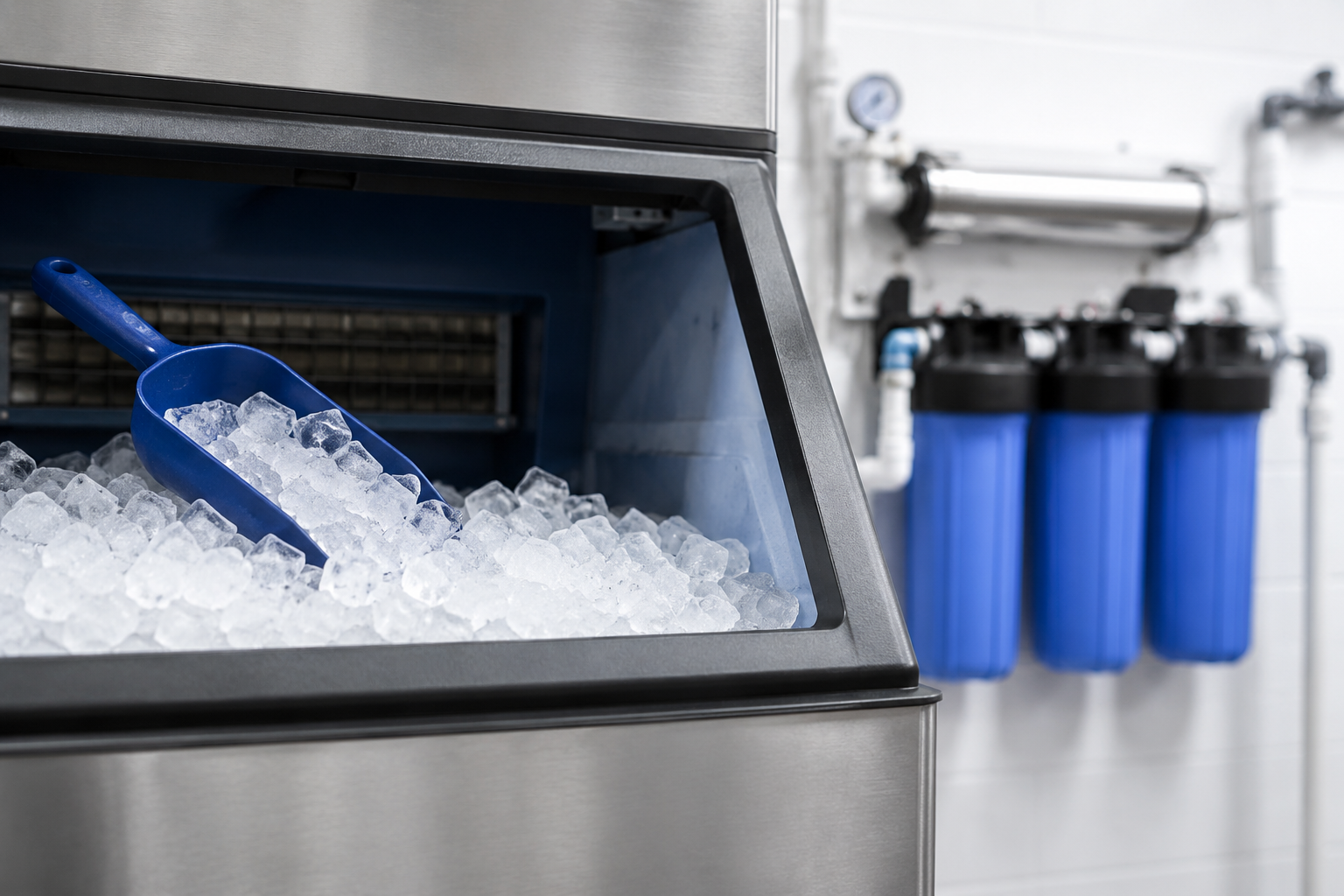
Water treatment in an office may focus heavily on drinking water, break rooms, restrooms, and equipment such as coffee machines or ice makers.
Water quality can also influence employee perception. An unpleasant taste or odor at a drinking water station can discourage employees from using it even when the underlying issue is relatively straightforward to address.
Restaurants and Commercial Kitchens
Commercial kitchens place different demands on water treatment systems. Water can affect beverage preparation, cooking, dishwashing, ice production, and equipment.
Depending on the operation, a restaurant may require multiple types of water treatment rather than one system for every application.
Gyms and Wellness Facilities
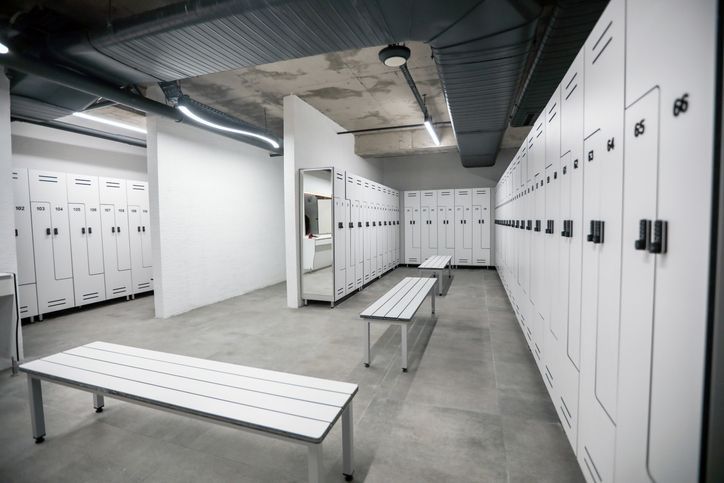
Fitness facilities can have substantial demand from showers, sinks, locker rooms, and other water-using amenities. Spas and wellness businesses may have additional water-quality requirements based on their services and equipment.
Hardness and scale can also become important considerations where large quantities of heated water are used.
Commercial and Multi-Use Properties
Larger commercial properties can have complex water demands because different areas of the building may use water differently.
Instead of assuming that one filtration method should address every application, the treatment system should be evaluated based on incoming water quality, desired results, peak flow rates, and actual usage.
Filtration, Softening and Reverse Osmosis Solve Different Problems
Preparing a commercial facility for peak use is also an opportunity to make sure the treatment technology matches the problem you are trying to solve.
A water softener is not the same as a water filter. Likewise, reverse osmosis serves a different purpose than standard filtration.
Sediment filtration can be used to address particles in water. Activated carbon filtration can address certain substances that affect characteristics such as taste and odor. Water softeners target hardness minerals. Reverse osmosis can be appropriate when an operation requires a higher level of treatment for particular dissolved substances.
Some commercial facilities use multiple treatment stages.
For example, a business might use one type of treatment for the building's general water supply and additional treatment for water used in a particular process or application.
The key is identifying the problem first and then selecting treatment technology that addresses it.
Adding more filtration is not automatically better. An appropriately designed commercial system should provide the treatment the facility actually needs while meeting its water demand.
Create a Commercial Water Treatment Maintenance Schedule
Water treatment should not receive attention only when something stops working.
A documented maintenance schedule can help facility managers keep track of service requirements and recognize changes in performance.
A commercial water treatment maintenance plan might account for:
- Filter inspections and replacements
- Water softener salt and regeneration checks
- Equipment inspections
- Cleaning or sanitizing according to system requirements
- Water testing when appropriate
- Reverse osmosis membrane and prefilter maintenance
- Leak inspections
- Pressure and flow observations
- Changes in water demand
- Manufacturer-recommended service intervals
Keep records of completed maintenance and any changes noticed between service visits.
Documentation can be particularly useful for facilities managed by multiple employees. Instead of relying on one person's memory, the organization has a record showing when filters were replaced, when equipment was serviced, and when water-quality concerns were first observed.
For additional guidance, Aqua Solutions explains considerations for Choosing and Maintaining a Commercial Water System.
Do Not Wait for a Water Problem to Disrupt Operations
Reactive maintenance can be particularly inconvenient in a commercial setting.
A water-quality issue at home may affect a handful of people. In a school, office, restaurant, gym, or commercial facility, the same problem can affect dozens or hundreds of people and potentially interfere with normal operations.
Timing matters as well.
Discovering that a commercial filtration system needs service before a school opens is considerably easier to manage than discovering it after students return. The same applies to an office preparing for employees to return or a business entering its busiest season.
A pre-occupancy water treatment review gives facility managers time to identify maintenance requirements and determine whether the existing equipment remains appropriate.
It can also reveal that the current system is working properly and simply requires routine maintenance.
Either outcome is more useful than waiting for water quality or equipment performance to deteriorate noticeably.
When Should Aqua Solutions Evaluate Your Commercial Water System?
Not every facility needs new water treatment equipment simply because occupancy is increasing. In many cases, routine service and proper maintenance may be all that is required.
There are circumstances, however, when a professional evaluation can be particularly useful.
Consider having your commercial water treatment system reviewed if:
- Your building has experienced an extended period of low occupancy
- Filters are overdue for replacement
- You are unsure when the system was last serviced
- Water usage has increased significantly
- Your business has expanded
- New water-using equipment has been installed
- You are seeing recurring scale or mineral deposits
- Employees, customers, or occupants have reported changes in water taste or odor
- Water pressure or treatment performance has changed
- Your current equipment was installed for different usage requirements
- You are unsure whether the existing filtration technology addresses your current water concerns
Aqua Solutions can evaluate the water treatment needs of commercial facilities and recommend solutions based on the property's water, equipment, usage, and treatment goals.
Prepare Your Water Treatment System Before Demand Increases
Back-to-business preparation is ultimately about preventing avoidable disruptions.
As occupancy increases, a commercial building's water system has to support more people, more fixtures, and potentially more water-dependent equipment. Filters that are overdue for replacement, improperly maintained softeners, or treatment systems that no longer match the building's demand can become much more noticeable once usage increases.
Checking the system ahead of time allows facility managers to address those concerns before peak operations begin.
Aqua Solutions provides customized commercial water filtration and water treatment solutions based on the needs of each property. If your school, office, commercial building, or facility is preparing for increased occupancy, contact Aqua Solutions to have your current water treatment setup evaluated and determine whether maintenance, filter replacement, water testing, or system adjustments should be considered.

Author:
Gary Monks
Gary Monks has led Aqua Solutions since 1997, earning recognition as a water treatment expert with 25 years of experience. Renowned in Butler, he has won the Best Water Treatment award for three years and actively supports the community, including local sports and radio engagements.