Water Filtration for Gyms & Spas: Why It Matters for Equipment and Clients

Water is one of the most essential elements in a gym or spa. It is used constantly—for guest showers, steam rooms, hot tubs, cold plunges, hydrotherapy features, laundry systems, hydration stations, and equipment cleaning. Most facility managers focus on water from a usage standpoint: how much is consumed, whether temperatures are properly regulated, and how safely it is delivered. But its quality plays a much larger role in daily operations than many realize.
Municipal water is treated to protect public health, but it often contains chlorine, chloramines, sediment, and fluctuating mineral levels. While these are typically harmless for everyday residential use, they can create long-term challenges in commercial wellness settings—especially in environments where water is heated, recycled, or used in enclosed, high-humidity spaces.
Poor water quality affects everything from the longevity of plumbing to the way clients feel after showering. This can wear down steam systems, contribute to scale buildup in boilers, and make it more difficult for guests to rinse products from their hair. Over time, these minor issues lead to more frequent maintenance calls, poorly functioning equipment, and poor client experiences.
This comprehensive guide examines the importance of commercial water filtration for gyms and spas. It explains how water chemistry affects plumbing systems, staff workloads, and client satisfaction, and how thoughtful filtration solutions can support better facility performance, lower maintenance costs, and more positive guest experiences.
How Chlorine and Chloramines Affect Plumbing and Fixtures
Why Wellness Facilities Encounter Chlorine Issues
Chlorine has been used for centuries to disinfect drinking water, and nearly all municipal systems rely on it. Many cities are transitioning to chloramines, which last longer in distribution lines and help maintain required disinfection levels. While safe and effective in homes, these chemicals behave differently in commercial wellness environments where water is heated, pressured, and used in equipment.
Spas and gyms are especially vulnerable because:
- Water is heated for showers, hot tubs, and steam rooms.
- Metal fixtures are exposed to moisture for long periods.
- Plumbing systems operate at higher frequencies.
- Humidity levels intensify chemical reactions.
Over months and years, even small exposures create wear that facilities eventually must address.
1. Corrosion of Metals and Fixtures
Chlorine is a strong oxidizer. In the presence of heat and moisture, two constants in wellness environments, it can accelerate the breakdown of metals. Chloramines, which are more stable than chlorine, are known to be even more corrosive to certain types of metal piping and fixtures.
Metal components commonly affected include:
- Shower valves and mixer assemblies
- Steam room and sauna water lines
- Heater fittings and internal heat exchanger components
- Stainless steel drain covers and sink hardware
- Hot tub and whirlpool plumbing components
Corrosion might appear initially as discoloration or spotting, but over time, it leads to:
- Thinning metal surfaces
- Weakened joints
- Leaks
- Frequent part replacements
A facility may not notice these changes immediately, but regular repairs or recurring fixture issues often point to chemical wear from treated water.
2. Damage to Rubber and Plastic Components
While metal corrosion is the leading cause for concern, rubber and plastic components are also often affected. Chlorine and chloramines can cause gradual deterioration of:
- Gaskets
- O-rings
- Flexible tubing
- Water seals around pumps
- Steam system seals
When these materials weaken, it can lead to:
- Leaks around fittings
- Temperature inconsistencies
- Reduced equipment efficiency
- Water pressure issues
3. Increased Equipment Cleaning and Downtime
In environments with heat and steam, chlorine can leave behind a thin residue or film. Steam rooms, hot tubs, and heated showers often show this most clearly, especially on stainless steel or glass surfaces.
Over time, facilities may notice:
- More frequent buildup around showerheads
- Cloudy or streaked surfaces
- A persistent “chemical” smell in enclosed areas
These conditions require additional cleaning, which increases:
- Staff labor time
- Cleaning product usage
- Overall maintenance needs
4. Chemical Exposure in Laundry and Sanitation Systems
Gyms and spas often use industrial washers for towels, robes, and linens. High chlorine levels can:
- Fade fabrics more quickly.
- Break down fibers.
- Leave lingering odors in towels.
- Increase the frequency of linen replacement.
Staff may also notice increased wear on sanitation tools, such as mop heads and refillable spray bottles.
The Bottom Line on Chlorine and Chloramines
While essential in municipal treatment, these chemicals create long-term costs for gyms and spas when left unfiltered. A well-planned filtration strategy significantly slows equipment deterioration and reduces maintenance demands—while also improving the client experience, which we’ll explore later in the post.
Hard Water and Mineral Buildup in Gyms and Spas
Understanding the Role of Hard Water
Hard water has high levels of dissolved minerals, mainly calcium and magnesium. These minerals are commonly found in groundwater and vary in abundance depending on the geographic location. While harmless to human health, they can create extensive challenges for facilities that rely heavily on warm water and equipment with heating components.
When hard water is heated, as it is in showers, boilers, and steam rooms, minerals separate and form solid deposits known as scale. Over time, these deposits accumulate on surfaces and equipment, reducing efficiency and increasing the need for maintenance.
1. Scale in Boilers, Steam Rooms & Water Heaters
Scale buildup is one of the leading causes of equipment inefficiency in gyms and spas.
This leads to:
- Longer heating times
- Higher energy usage
- Uneven temperature control
- Premature equipment failure
Even a small amount of scale—thinner than a sheet of paper—can noticeably reduce efficiency.
2. Buildup in Showers and Locker Rooms
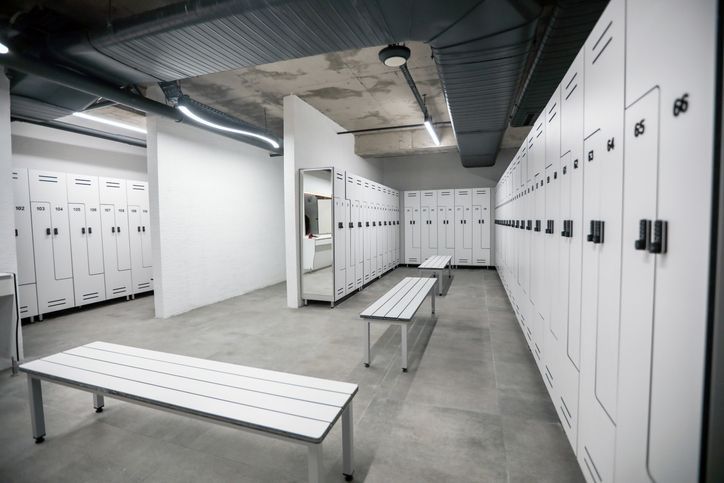
Locker rooms and shower areas experience visible signs of hard water, including:
- Clogged or slow-flowing showerheads
- Mineral deposits around drains
- Residue on tile, glass, and fixtures
- Soap scum formation
Staff must dedicate more time to cleaning these areas to maintain a clean appearance.
3. Impact on Plumbing and Water Lines
Scale also accumulates inside pipes, narrowing their diameter and reducing water flow. This creates:
- Increased pressure in the system
- More strain on pumps and water heaters
- Higher likelihood of blockages
- Shorter plumbing lifespan
Facilities may notice persistent low pressure or inconsistent temperatures.
4. Hard Water Impacts on Hot Tubs and Pools
Mineral levels influence:
- Water clarity
- Treatment chemical balance
- Filtration efficiency
- Pump and heater lifespan
Minerals can interact with sanitizers, requiring staff to use more chlorine or pH adjusters.
Water Quality and Client Experience
1. How Water Quality Impacts Skin & Hair
Hard water can cause:
- Soap that does not fully lather
- Skin that feels dry or tight
- Hair that feels heavy, waxy, or difficult to rinse
Chlorine can:
- Strip natural moisture
- Cause dryness or irritation
- Contribute to redness
- Leave a faint chemical smell
2. Impact of Water Quality on Spa Treatments
Examples include:
- Chlorine odors intensified in steam rooms
- Hot tubs exposing skin to treated water for extended periods
- Warm showers opening pores, increasing sensitivity
3. How Water Quality Shapes Long-Term Impressions
Water that feels soft, clean, and comfortable contributes directly to client satisfaction, while poor water quality subtly reduces the likelihood of return visits.
How Filtration Systems Protect Water-Reliant Equipment
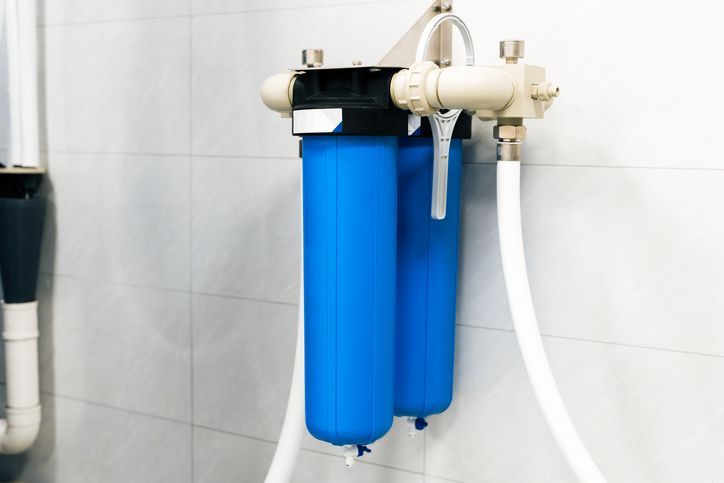
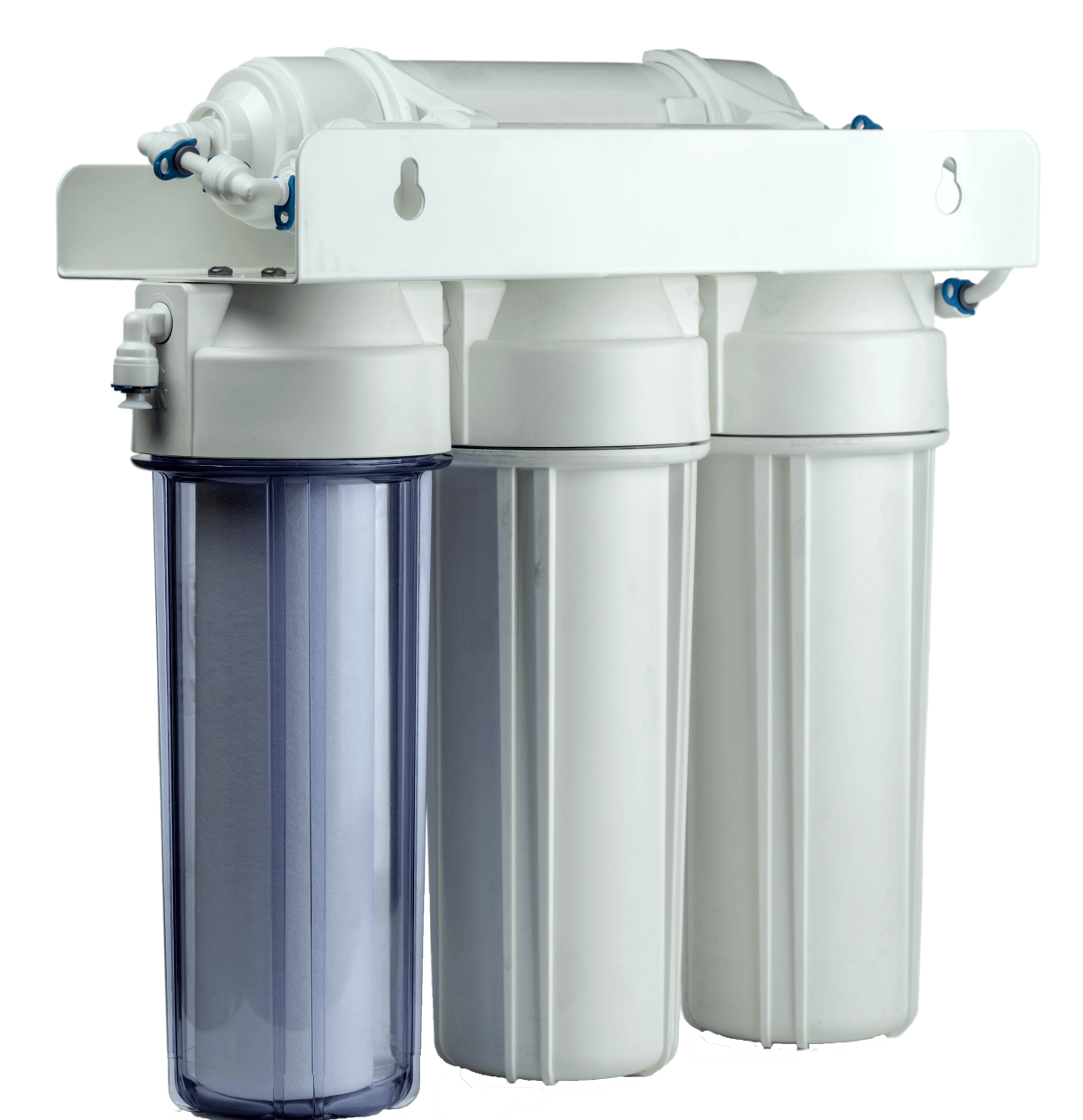
1. Carbon Filtration for Reducing Chlorine and Chloramines
Benefits:
- Gentler water for showers
- Less odor in steam rooms
- Reduced corrosion
- Better-tasting water
Catalytic carbon is recommended for chloramines.
2. Water Softeners for Mineral Reduction
Helps:
- Boilers
- Water heaters
- Steam generators
- Shower fixtures
- Whirlpool jet systems
Softened water improves efficiency and reduces cleaning needs.
3. UV Treatment for Microbial Control
UV disrupts microbial DNA and works best when paired with carbon and sediment filtration.
4. Reverse Osmosis for High-Purity Water Needs
RO supports:
- Reduced mineral spotting
- More consistent spa treatment results
- Longer device lifespan
5. Sediment Filtration for Older or High-Demand Facilities
Protects:
- Pumps
- Valves
- Showerheads
- Steam system nozzles
Long-Term ROI of Commercial Water Filtration
Filtration supports lower maintenance costs, longer equipment lifespan, reduced labor, and improved member satisfaction.
1. Reduced Maintenance and Fewer Service Calls
Cleaner water supports:
- Scale buildup prevention
- Reduced corrosion
- Fewer clogged valves
- More consistent temperature regulation
- Longer showerhead lifespan
Financial impact: Fewer emergency visits and lower recurring repair bills.
2. Extended Lifespan of High-Value Equipment
Filtration protects:
- Boilers
- Water heaters
- Steam generators
- Hydrotherapy pumps
- Spa treatment devices
Financial impact: Longer system lifespan and fewer replacements.
3. Lower Daily Cleaning Labor and Supply Use
Filtration results in:
- Less residue on surfaces
- Reduced water spotting
- Cleaner drains and faucets
- Lower use of harsh cleaners
- Less frequent deep cleaning
Financial impact: Significant long-term labor and chemical savings.
4. Improved Member and Guest Satisfaction
Clients benefit from:
- Better-feeling skin and hair
- Less chlorine irritation
- Cleaner steam rooms
- More enjoyable spa treatments
Satisfied clients leave more positive reviews and renew more often.
Clean Water Shapes Better Wellness Experiences. Call Aqua Solutions Today!
Water quality significantly impacts how well your equipment performs, the frequency of required maintenance, and the overall comfort of clients. By investing in the right combination of filtration technologies, carbon, softening, UV, RO, and sediment removal, facilities can extend equipment life, lower operational costs, and create a more enjoyable environment for guests.
Clean, well-treated water supports both sides of a wellness business: the behind-the-scenes systems that keep everything running smoothly and the client-facing experiences that define the brand.
When gyms and spas prioritize water quality, they elevate every aspect of the service they provide.

Author:
Gary Monks
Gary Monks has led Aqua Solutions since 1997, earning recognition as a water treatment expert with 25 years of experience. Renowned in Butler, he has won the Best Water Treatment award for three years and actively supports the community, including local sports and radio engagements.