Commercial Whole-Building Filtration: When Offices, Retail & Multi-Tenant Buildings Need It

Water quality is not always top of mind for commercial property owners and managers until complaints start coming in or systems begin to fail earlier than expected. In shared or customer-facing buildings, water issues rarely stay isolated. What affects one tenant, restroom, or floor often affects the entire property.
Commercial whole-building water filtration offers a centralized approach to managing water quality across an entire structure. While it is not the right solution for every building, there are clear scenarios where it becomes the most practical and cost-effective option. Understanding when point-of-use solutions fall short helps owners and managers make informed decisions rather than reacting to ongoing problems.
Why Water Quality Matters More in Commercial and Shared Buildings
In commercial settings, water quality impacts more than individual comfort. It influences daily operations, tenant relationships, and long-term maintenance costs.
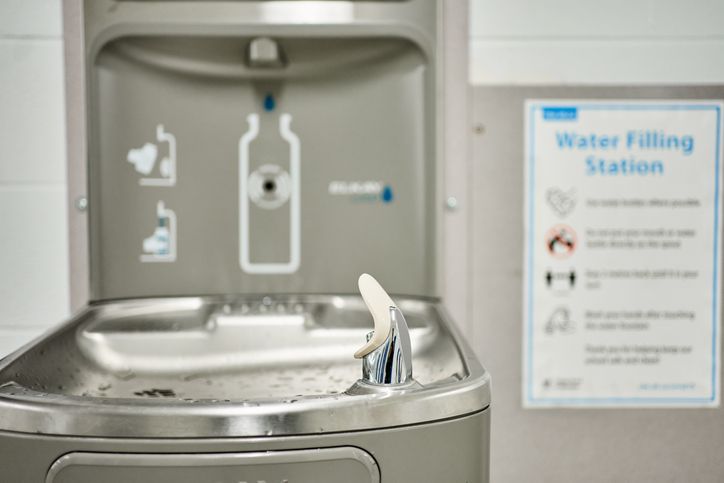
For retail spaces, offices, and hospitality environments, water quality shapes customer experience. Unpleasant taste or odor in drinking fountains, restrooms, or food-service areas reflects poorly on the business, even if the issue stems from municipal treatment rather than internal plumbing.
Tenant satisfaction is another key factor. In multi-tenant buildings, inconsistent water quality can lead to recurring service calls, tenant disputes, and pressure on property managers to resolve issues quickly. Poor water quality can become a retention issue if tenants feel concerns are ignored.
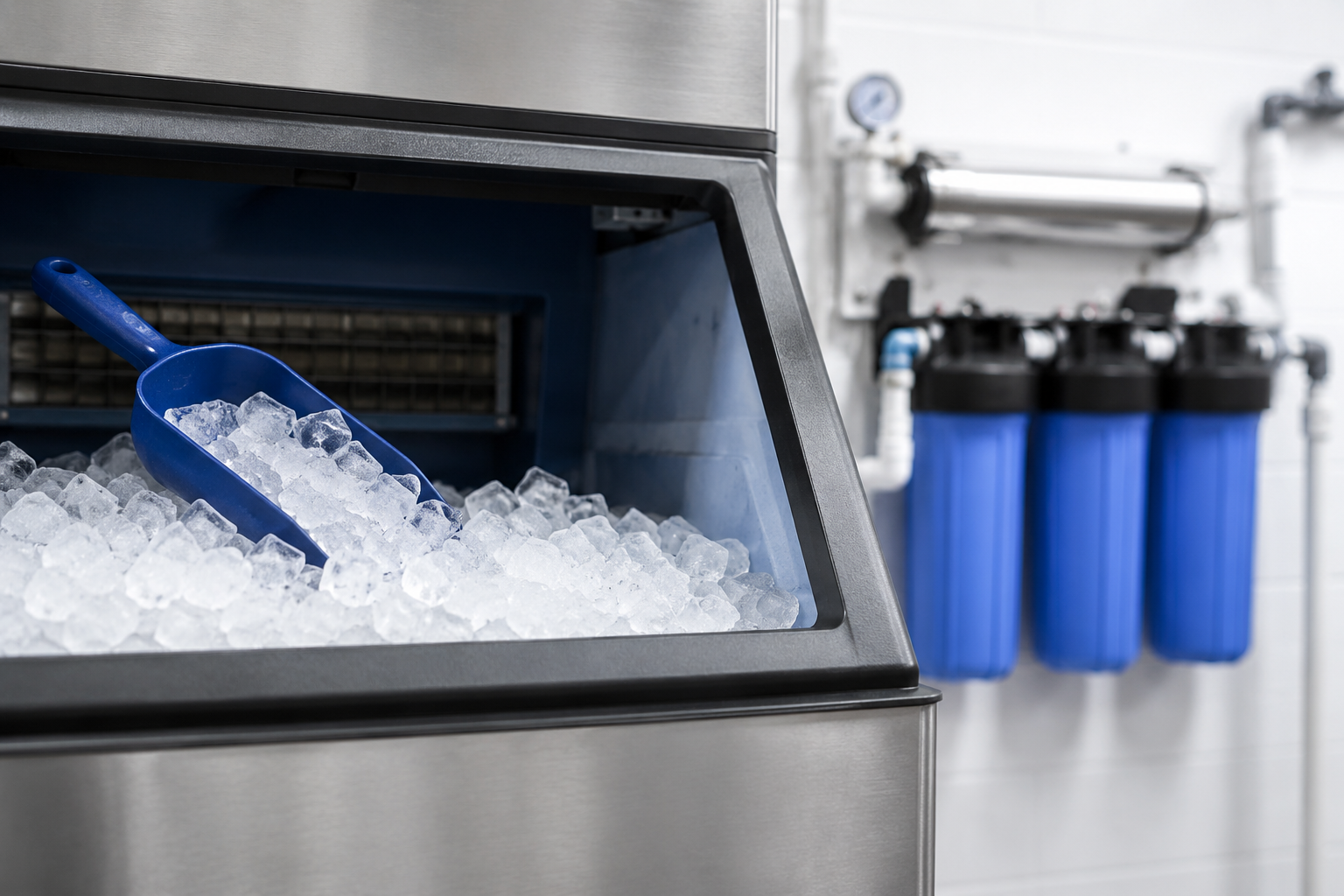
Water also plays a direct role in the health of plumbing systems and equipment. Sediment, chlorine, and other contaminants contribute to scale buildup, corrosion, and premature wear on fixtures, water heaters, ice machines, and commercial appliances. Over time, these issues increase maintenance costs and shorten equipment lifespan.
For customer-facing businesses, water quality is also a reputational concern. Even minor issues can leave lasting impressions, especially in environments where cleanliness and comfort matter.
What Is Commercial Whole-Building Water Filtration?
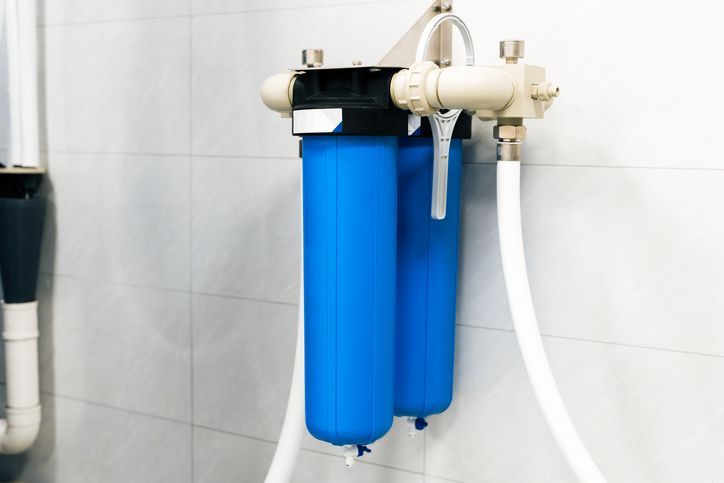
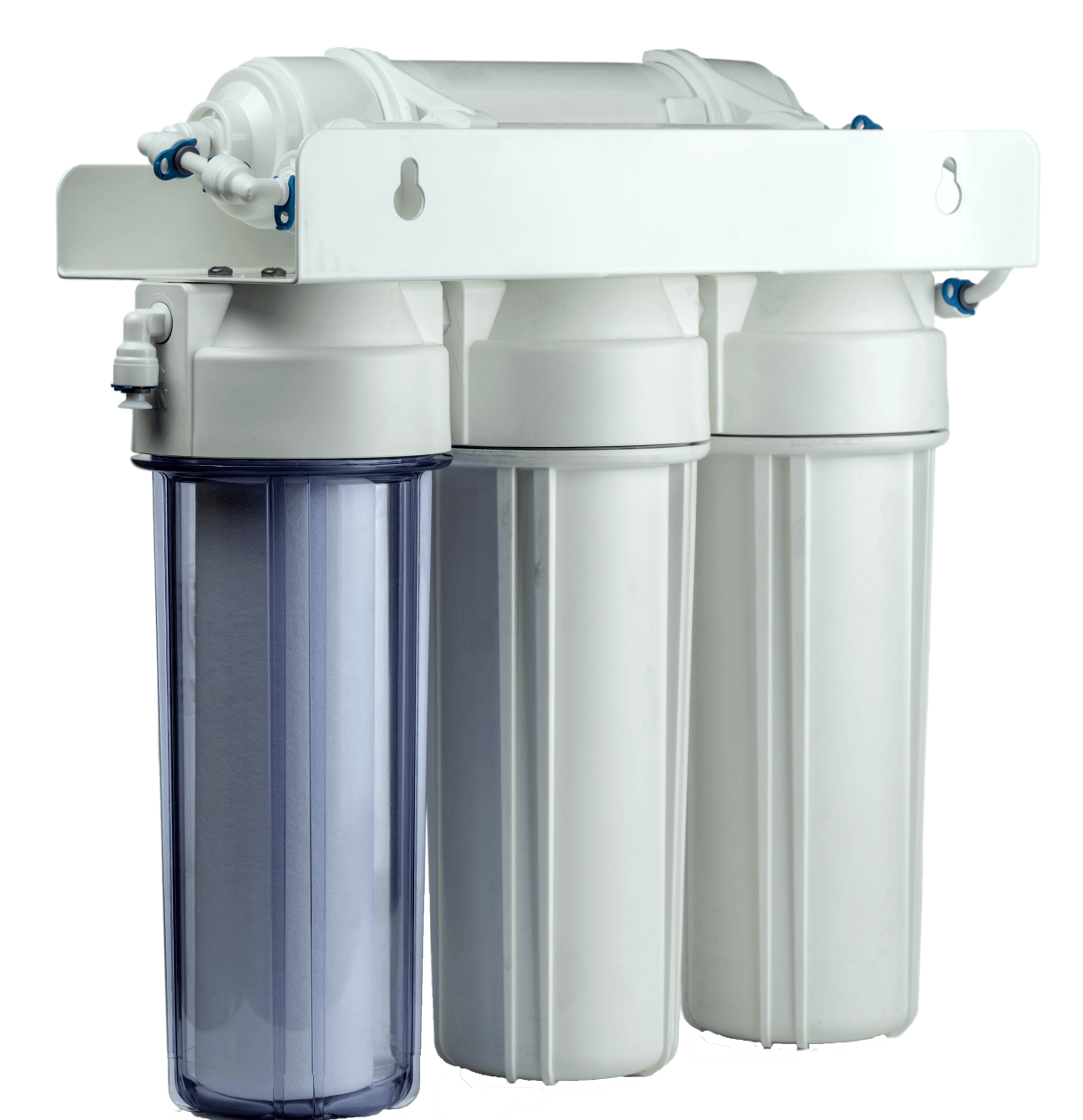
Commercial whole-building water filtration treats water at the point of entry into the building. Instead of filtering water at individual sinks or appliances, the system improves water quality for all connected fixtures and equipment.
This approach differs from point-of-use filtration, which treats water at specific points, such as under-sink filters, faucet attachments, or countertop systems. While point-of-use filters can be useful in limited scenarios, they are often impractical in buildings with multiple tenants, floors, or water-intensive operations.
In shared plumbing environments, centralized filtration ensures consistency. Every tenant and every floor receives the same level of treatment, reducing variability and complaints. Maintenance is also simplified, as filters and system components are managed in a single location rather than across dozens of units.
Commercial systems can be designed to address specific issues such as chlorine, sediment, hardness, or taste and odor concerns.
Common Signs a Commercial Building May Need Whole-Building Filtration
Certain patterns tend to signal when point solutions are no longer effective. These issues often appear gradually, then become persistent.
Ongoing Taste or Odor Complaints
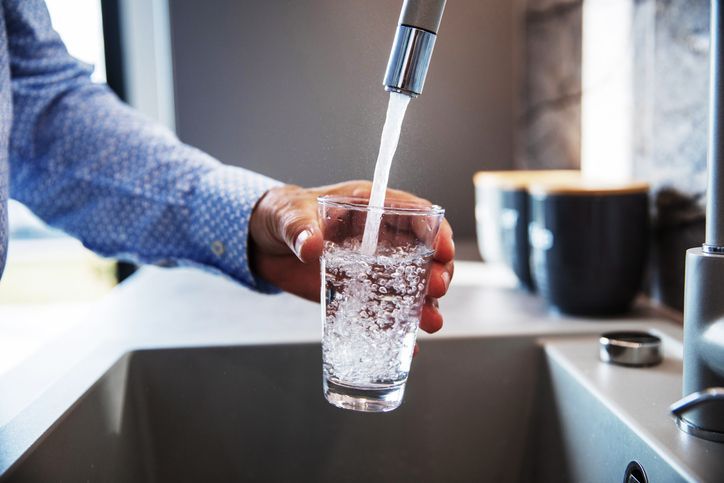
Repeated complaints about water taste or smell are among the most common indicators. Chlorine odor, chemical taste, or musty smells can come from municipal treatment processes or aging infrastructure.
When these complaints come from multiple tenants, employees, or customers, installing individual filters rarely solves the problem in the long term. Each unit may experience slightly different results, and inconsistent maintenance only adds to frustration.
Sediment and Visible Particles
Sediment in water can cause noticeable problems quickly. Clogged faucet aerators, cloudy water, and buildup in toilets or sinks are early signs.
Over time, sediment damages valves, reduces water pressure, and accelerates wear on appliances like dishwashers, ice machines, and water heaters. Replacing small filters repeatedly across a building often becomes more expensive than addressing the issue at the source.
Inconsistent Water Quality Across Units
In multi-story or multi-tenant buildings, water quality may vary from floor to floor. Upper levels may experience different pressure and sediment levels than lower floors.
This inconsistency creates operational challenges. Tenants compare experiences and may blame property management for uneven conditions. Centralized filtration helps normalize water quality across the entire system.
When Point-of-Use Filters Aren’t Enough
Point-of-use filters are designed for a limited scope. In commercial environments, their limitations become apparent quickly.
Each filter requires individual monitoring and replacement. In buildings with many tenants, this creates uneven maintenance and inconsistent results. Some units may neglect filter changes entirely, leading to worse water quality than before.
From a cost perspective, maintaining dozens of small filters often exceeds the long-term cost of a centralized system. Labor, replacement schedules, and tenant coordination all add complexity.
Point-of-use solutions also fail to protect shared infrastructure. Even if drinking water is filtered at select locations, unfiltered water still flows through pipes, water heaters, and equipment, continuing to cause wear and buildup.
Commercial Properties That Often Benefit Most From Whole-Building Filtration
Certain property types tend to see the greatest value from centralized filtration.
Office buildings benefit from consistent water quality across restrooms, break rooms, and shared kitchens. Improved taste and reduced maintenance help create a better work environment.
Retail and customer-facing businesses rely on perception. Clean, odor-free water supports hygiene standards and customer comfort, especially in restrooms and food-prep areas.
Restaurants or food-service-adjacent spaces often need higher water quality to protect equipment and maintain consistency. While specialized filtration may still be used for certain applications, whole-building systems provide a strong foundation.
Multi-tenant residential and mixed-use buildings face the most complexity. Centralized filtration reduces disputes, simplifies maintenance, and ensures every tenant receives the same baseline water quality.
Benefits of Whole-Building Filtration for Owners and Managers
For owners and managers, the advantages of centralized filtration are largely operational.
Maintenance becomes more predictable and manageable. Instead of tracking dozens of small filters, the service is centralized and scheduled.
Tenant and customer satisfaction improve when water quality is consistent, and complaints decline. This can support retention and reduce service calls.
Plumbing systems and water-using equipment benefit from reduced sediment and chemical exposure. Over time, this lowers repair frequency and extends equipment life.
Operational efficiency improves when water-related issues are addressed proactively rather than reactively. While no system eliminates maintenance, whole-building filtration simplifies oversight.
How a Professional Evaluation Determines the Right System
Not every building needs the same solution. A professional evaluation focuses on data rather than assumptions.
Water testing identifies specific quality concerns such as chlorine levels, sediment, hardness, or other contaminants. Building size, occupancy, peak demand, and flow rates are also considered.
Commercial systems must be sized correctly to avoid pressure loss or performance issues. In many cases, a customized design is more effective than a standard package.
This evaluation process helps avoid overcorrecting or undercorrecting. The goal is to address real issues without unnecessary complexity.
How Aqua Solutions Supports Commercial Filtration Projects
Aqua Solutions works with commercial property owners and managers to realistically assess water quality challenges. Experience with office buildings, retail spaces, and multi-tenant properties allows for practical recommendations rather than generic solutions.
Each project begins with evaluation and testing to understand the building’s specific needs. Systems are designed with scalability and maintenance in mind.
Ongoing support and service options help ensure systems continue to perform as expected. The focus remains on reliable, cost-conscious solutions that fit the building and its users.
Next Steps for Commercial Property Owners. Call Aqua Solutions!
If your building is experiencing ongoing water complaints, equipment issues, or inconsistent water quality, a professional assessment can clarify whether whole-building filtration is appropriate.
To learn more, request a commercial water quality consultation or schedule a whole-building filtration assessment with Aqua Solutions.

Author:
Gary Monks
Gary Monks has led Aqua Solutions since 1997, earning recognition as a water treatment expert with 25 years of experience. Renowned in Butler, he has won the Best Water Treatment award for three years and actively supports the community, including local sports and radio engagements.