The Hidden Impact of Chlorine on Spa Equipment and Guest Comfort

For many spas, maintaining clear water and a hygienic environment is a top priority, and in most cases, chlorine is used to achieve this. While it is a useful tool, it also introduces challenges that often go unnoticed in facilities with hot tubs, hydrotherapy pools, steam rooms, and water-reliant equipment. When chlorine levels are not carefully managed, both the guest experience and the lifespan of spa equipment can be affected.
While chlorine is a standard disinfectant, it can cause deterioration in mechanical components, create discomfort for sensitive clients, and lead to recurring maintenance needs. Understanding these impacts—and implementing the proper filtration and monitoring strategies—can help spas maintain a more comfortable and cost-effective operation.
This post explores how chlorine affects spa systems and guest comfort, and outlines practical ways to minimize its impact through filtration, dechlorination, and routine testing.
How Chlorine and Chloramines Affect Spa Equipment
Water features are some of the most valuable and frequently used components in a spa. Unfortunately, they are also the most vulnerable to chlorine exposure. Over time, both chlorine (the disinfectant added to the water) and chloramines (byproducts created when chlorine reacts with organic matter) contribute to mechanical wear and reduced efficiency.
Corrosion of Plumbing and Metal Fixtures
Metal components are usually the first to show signs of chlorine-related degradation. Even in low concentrations, chlorine is a strong oxidizer that gradually breaks down metals, including:
- Stainless steel rails and supports
- Copper plumbing lines
- Heating elements
- Jets, fasteners, and hardware within tubs or hydrotherapy systems
Corrosion may begin subtly—slight discoloration, pitting, or minor mineral deposits—but can progress to leaks, structural weakness, and equipment failure if left unmanaged.
Chloramines accelerate this process because they are more corrosive than free chlorine and tend to linger in the air around hot tubs and steam rooms. Poor ventilation increases the corrosive impact, leading to cumulative damage that requires more frequent repairs.
Degradation of Rubber, Seals, and Internal Components
Many spa systems rely on rubber or polymer parts, such as:
- O-rings
- Gaskets
- Tubing connectors
- Internal pump seals
Chlorine gradually dries and weakens these materials, causing them to crack or lose elasticity. When seals fail, pumps can lose pressure, heaters can underperform, and leaks may develop behind walls or under equipment—sometimes unnoticed until significant damage has occurred.
Replacing these components often becomes part of routine maintenance in spas with heavy chlorine exposure. While replacement is manageable, reducing chlorine contact can extend the life of these parts, especially in high-use water features.
Damage to Sauna and Steam Room Infrastructure
Steam rooms often use chlorinated municipal water, and over time, the vapor can leave mineral and chlorine deposits on surfaces, electronics, and ventilation systems.
These issues may appear as:
- Dulling or etching on tile and grout
- Residue buildup on steam heads
- Premature wear of the humidifier or boiler components
- Corrosion on door frames and hinges
Steam rooms operate in high-temperature environments, amplifying chlorine’s impact and reinforcing the need for filtration before water enters the system.
How Chemical Exposure Affects Sensitive Skin and Guest Comfort
The guest experience is central to any spa’s success. While chlorine helps maintain hygiene, it can cause skin irritation in clients—especially those with sensitive skin, allergies, or respiratory concerns.
Skin Sensitivity and Dryness
Chlorine strips natural oils from the skin, often leaving it feeling dry, tight, or itchy. Some clients may tolerate this without issue, while others might experience:
- Redness or irritation
- Flaking or rough texture
- Worsening of eczema or dermatitis
- A lingering “treated water” feeling on the skin
Even minor discomfort can affect how clients perceive their visit. If guests consistently leave feeling dry or irritated, they may be less likely to return or book additional services.
Eye and Respiratory Irritation
Chloramines—formed when chlorine interacts with sweat, lotions, or organic material—are responsible for the “chlorine smell” often associated with pools or hot tubs. In spas, this odor can be subtle but still bothersome, especially in enclosed relaxation spaces.
Chloramines can irritate the eyes and throat, causing:
- Redness or stinging
- Coughing or throat dryness
- Mild headaches
- Impact on Relaxation and Perceived Cleanliness
Even when chlorine levels fall within safe ranges, clients may perceive strong odors or dry skin as signs of an environment that feels less natural or soothing. Because spas rely heavily on ambiance and comfort, managing these sensory cues becomes an integral part of guest retention.
Prioritizing water quality through dechlorination and filtration helps create an environment that feels gentler and cleaner, allowing guests to fully relax without distraction.
How Carbon Filtration and Dechlorination Systems Protect Clients and Equipment
Fortunately, chlorine filtration for spas can help manage these levels through a combination of carbon filtration, dechlorination systems, and routine water testing.
Carbon Filtration: A First Line of Defense
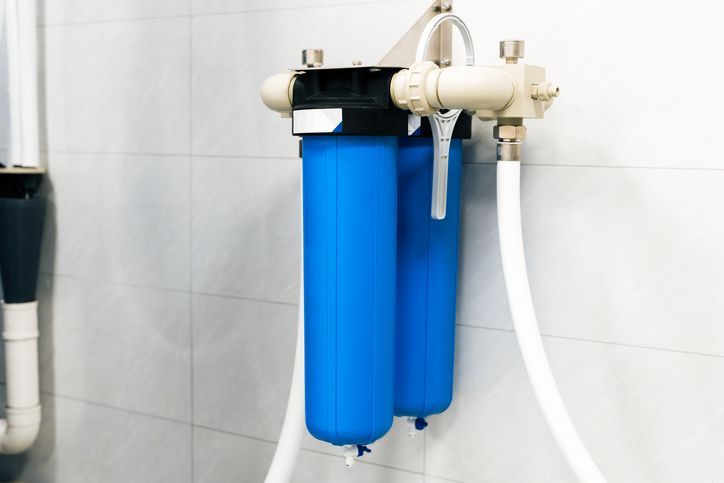
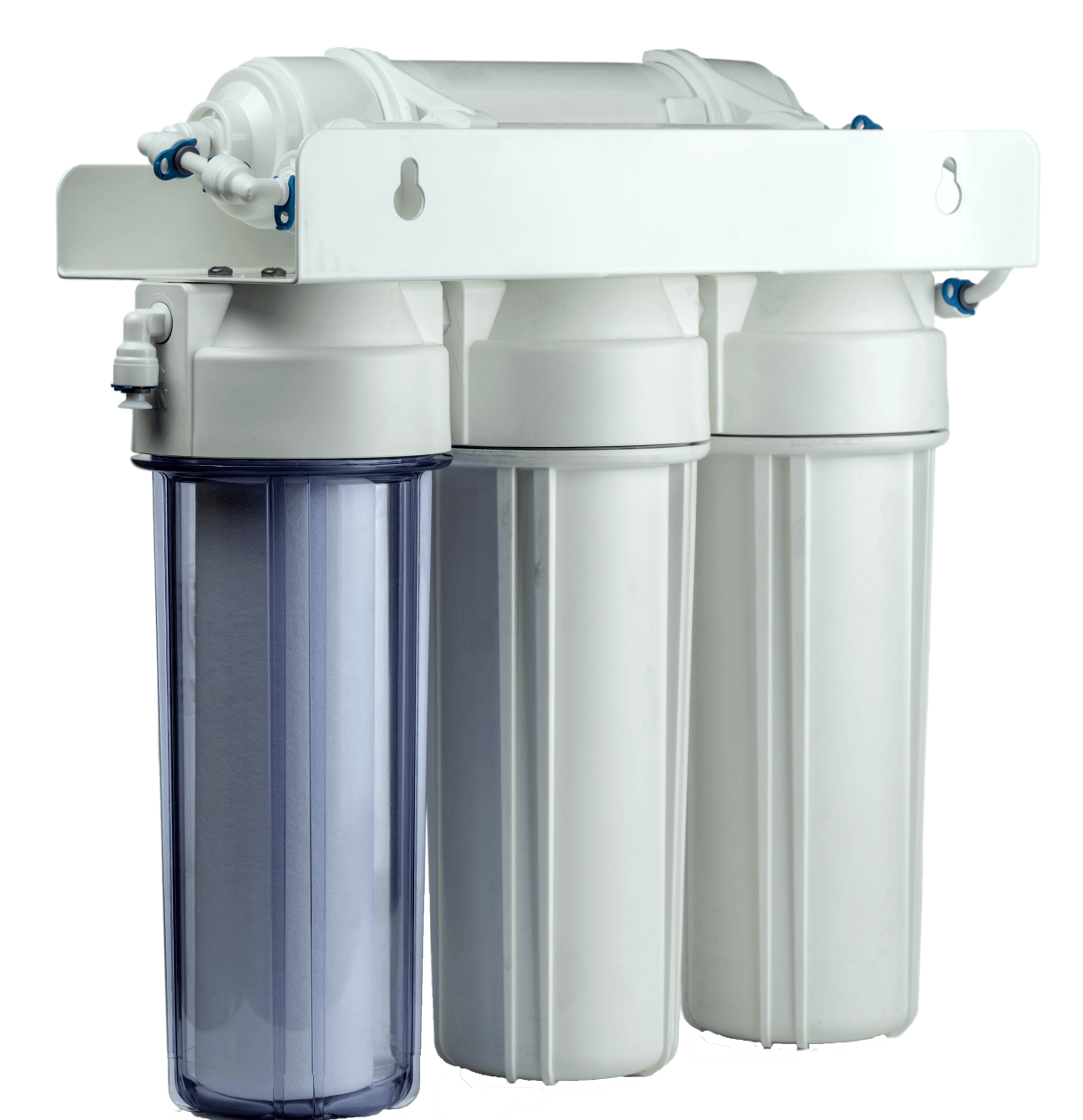
Carbon filters are widely used in water-reliant businesses because they efficiently remove chlorine, chloramines, and other chemical compounds.
When installed at key points—such as before water reaches hydrotherapy tubs, steam generators, or showers—carbon filters provide several benefits:
- Lower chlorine levels entering the equipment
- Reduced exposure for guests
- Decreased corrosion and mineral buildup
- Improved water clarity and softness
Activated carbon is naturally porous, allowing it to trap and neutralize chlorine molecules as water flows through the filter. Because these filters are relatively low-cost and easy to replace, many spas integrate them into standard maintenance routines.
Dechlorination Systems for High-Use Environments
For spas that heavily rely on water, whole-building dechlorination systems may offer a more comprehensive approach. These systems treat incoming water before distribution and can handle large volumes without frequent filter changes.
Dechlorination solutions may include:
- Granular activated carbon tanks
- Catalytic carbon filtration systems
- UV dechlorination (for specific equipment setups)
By reducing chemical load at the source, these systems lessen wear on plumbing, heating units, jets, and steam equipment—helping extend their lifespan and reduce unexpected repair costs.
Improved Client Experience Through Better Water Quality
Cleaner, dechlorinated water feels softer on the skin, produces less odor, and helps maintain a more relaxed environment. Guests often notice the difference immediately, even if they don’t identify chlorine as the cause.
Over time, consistent improvements in water quality can enhance guest satisfaction and support a more positive reputation for the spa.
Tips for Monitoring Chlorine Levels in Spa Environments
Filtration is only part of the solution. Regular monitoring ensures that chlorine levels remain within the required range for both safety and comfort.
Here are practical steps spas can take:
1. Test Water at Consistent Intervals
Depending on usage, water may need to be tested multiple times per day. Key measurements include:
- Free chlorine
- Combined chlorine (chloramines)
- pH levels
- Total dissolved solids
Tracking your water level readings helps you spot trends and adjust your treatment approaches early.
2. Use Reliable Testing Kits or Digital Meters
High-quality test strips or digital meters provide more accurate readings than most basic tools.
3. Monitor Ventilation Systems Near Hot Tubs and Steam Rooms
Proper airflow will reduce chloramine buildup in the air, lowering the chance of equipment corrosion and guest discomfort. Regularly inspect:
- Fans
- Ducts
- Vents
- Air exchanges in enclosed rooms
Ensuring adequate ventilation helps maintain both equipment performance and a more pleasant environment.
4. Train Staff on Balanced Water Management
Team members should be trained on:
- Acceptable chlorine ranges
- How to interpret test results
- When filtration systems need attention
- How to adjust chemical levels without under- or over-treating
- Clear protocols help ensure safe and consistent water quality.
5. Replace Carbon Filters on Schedule
Carbon has a finite absorption capacity. Replacing filters proactively prevents breakthrough, where chlorine starts to pass through untreated. Keeping a replacement schedule helps protect equipment and ensure consistent water quality.
Water Filtration Solutions for Spas at Aqua Solutions
Chlorine is a necessary component of spa water quality and maintenance, but its effects on equipment and guest comfort should be addressed. Through a combination of carbon filtration, dechlorination strategies, regular testing, and staff training, spas can minimize chlorine-related wear and create a more relaxing environment.
These improvements support long-term equipment reliability, reduce maintenance costs, and help ensure that guests leave feeling refreshed and cared for. Contact Aqua Solutions today to learn more about our water filtration options!

Author:
Gary Monks
Gary Monks has led Aqua Solutions since 1997, earning recognition as a water treatment expert with 25 years of experience. Renowned in Butler, he has won the Best Water Treatment award for three years and actively supports the community, including local sports and radio engagements.