Commercial Water Treatment for Medical & Dental Offices: Protecting Equipment and Water Quality
Medical and dental offices rely on water for more than sinks and restrooms. Depending on the facility, water may also supply sterilization equipment, instrument processing areas, dental equipment, laboratory devices, and other systems used throughout the workday. Each application has different water quality requirements, so choosing the right treatment equipment is an important part of facility management.
Minerals, sediment, and other substances in incoming water can affect plumbing, fixtures, and water-dependent equipment. Hard water, for example, can leave scale on surfaces and inside components that heat or transport water. Sediment can collect in screens and filters, while chlorine-related taste and odor concerns may affect water used in common areas.
Commercial water treatment for medical offices should be based on the facility's actual water conditions, water demand, and equipment requirements. A commercial water softener may control hardness, while sediment filtration, carbon filtration, or reverse osmosis may suit other applications.
Understanding these differences helps medical and dental practices choose the right water treatment system.
Why Water Quality Matters in Medical and Dental Facilities
Water serves several purposes in a medical or dental office, and not every water outlet needs the same type of treatment.
A typical facility may use water for:
- General plumbing: Restroom sinks, faucets, toilets, and other building fixtures.
- Equipment cleaning and processing: Washers, sterilizers, and other equipment that uses water during cleaning or processing cycles.
- Dental equipment: Dental chairs, instrument waterlines, and related systems with specific water requirements.
- Laboratory or specialized equipment: Devices that may require water meeting particular manufacturer specifications.
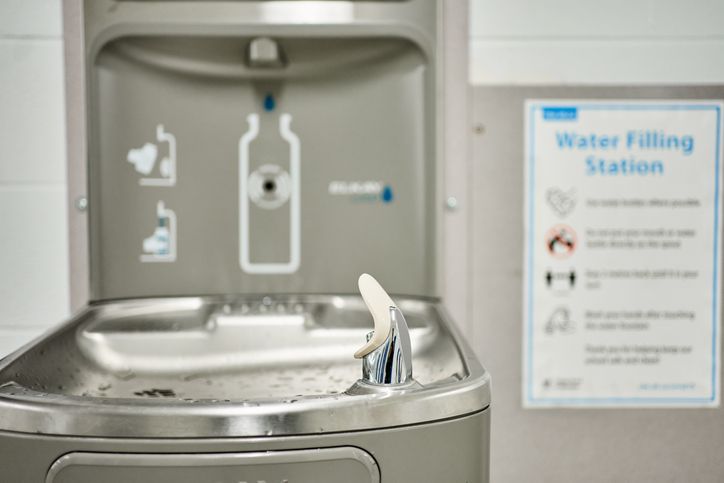
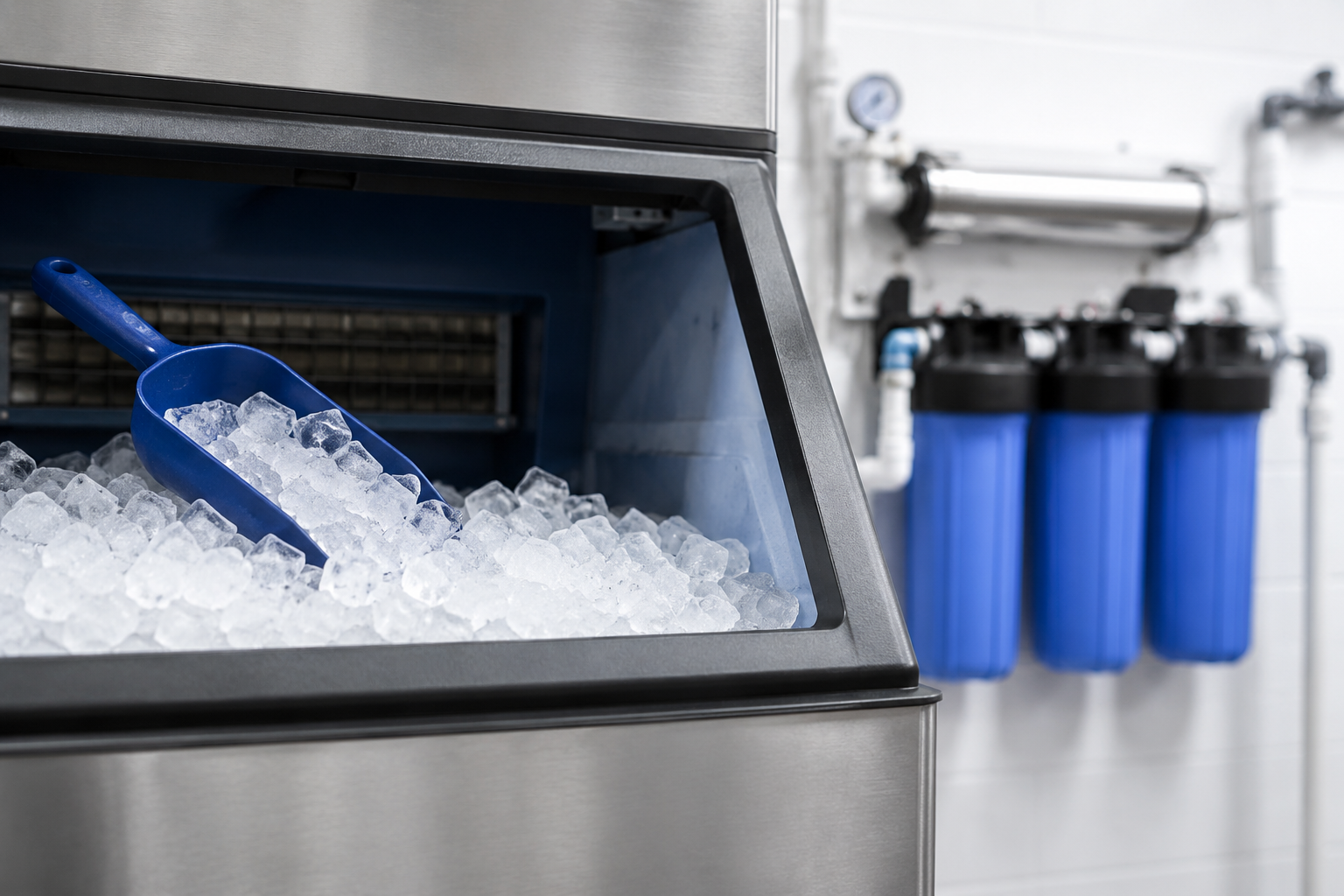
- Employee and visitor areas: Drinking water dispensers, breakroom sinks, coffee equipment, and ice machines.
Some applications primarily need protection from scale or sediment. Others may require tighter control of dissolved minerals or specific water characteristics.
For example, a facility might benefit from softened water for certain plumbing and utility applications while needing separately treated water for equipment that requires low mineral content. Installing a single treatment system without considering these differences may leave some problems unresolved.
Consistent water quality also supports maintenance planning. When facility managers understand and properly manage water conditions, they can make better decisions about filter replacement, equipment servicing, and long-term water system maintenance.
Therefore, consider water treatment alongside routine plumbing inspections and equipment maintenance rather than as an unrelated building expense.
Common Water Quality Problems That Can Affect a Practice
Water quality varies by source, treatment, and building plumbing conditions. Even facilities in the same region may have different water characteristics, especially when comparing municipal water supplies with private wells.
Several water quality concerns are especially relevant to commercial facilities.
Hardness and Mineral Buildup
Hard water contains dissolved calcium and magnesium. As water heats or evaporates, mineral deposits can form on surfaces and equipment.
Common signs include white deposits around faucets, spots on fixtures, and scale inside water-heating equipment.
Hardness is not the same as sediment. The minerals responsible for hardness are dissolved in the water, which means a standard sediment filter will not remove them.
Sediment and Particles
Sediment may include sand, silt, rust particles, or other suspended material entering through the water supply or originating from plumbing.
Depending on particle size and concentration, sediment can accumulate in faucet aerators, inlet screens, valves, and equipment prefilters.
A properly selected sediment filtration system can help capture particles before they reach downstream fixtures and equipment. Filter selection matters because extremely fine filtration can cause unnecessary pressure loss if the system isn't sized correctly.
Chlorine, Taste, and Odor
Municipal water systems commonly use chlorine or chloramine disinfectants. Depending on the water supply, users may notice associated tastes or odors.
Activated carbon filtration can reduce certain taste- and odor-causing compounds, including free chlorine, when the filter is designed and maintained for that purpose.
Chloramine reduction requires particular attention to the filter media, capacity, and contact time. Not every standard carbon filter is designed to handle chloramine effectively.
Other Dissolved Substances
Water may also contain iron, manganese, dissolved salts, or other substances that require different treatment methods.
You can't determine the presence and concentration of these substances from appearance alone.
The appropriate first step is to evaluate the incoming water rather than assume which contaminants or minerals are present. Water testing helps identify the actual issues and provides a basis for selecting treatment equipment.
How Hard Water Can Affect Water-Using Equipment
Hard water is a common consideration when evaluating commercial plumbing and equipment because calcium and magnesium can contribute to scale formation.
Scale forms when dissolved minerals precipitate out of water and build up on surfaces. Heating water can accelerate this process under certain conditions.
Scale Inside Heating Elements and Equipment
Water heaters, steam-generating components, and certain equipment used for instrument processing may be exposed to mineral deposits.
As scale accumulates, it can interfere with heat transfer or reduce the effective opening of narrow water passages. The impact depends on the equipment design, operating temperature, water chemistry, and maintenance practices.
According to the U.S. Geological Survey, hardness-related scale can reduce water-heating efficiency and contribute to equipment and pipe problems.
For a medical or dental practice, this makes hardness an operational concern worth evaluating, particularly when equipment requires frequent descaling.
Buildup in Plumbing and Fixtures
Mineral deposits can also appear around faucets, sink drains, and other fixtures.
Visible scale may require extra cleaning, while deposits inside certain water-contact components can make maintenance more involved.
However, hard water doesn't cause every plumbing or equipment problem. Reduced flow, component failures, and frequent service calls can have several causes, so testing should confirm hardness.
Maintenance and Equipment Requirements
Hardness management can reduce scale-related maintenance when calcium and magnesium contribute to buildup.
Remember that some equipment requires more than softened water. For instance, a manufacturer may specify limits for conductivity, total dissolved solids, silica, or other water characteristics.
A commercial water softener reduces hardness but does not remove all dissolved minerals. Meeting specialized equipment requirements may call for another treatment process or a separate water supply.
Water Filtration vs. Water Softening for Medical and Dental Offices
Water filtration and water softening solve different problems. Although people often discuss them together, they are not interchangeable.
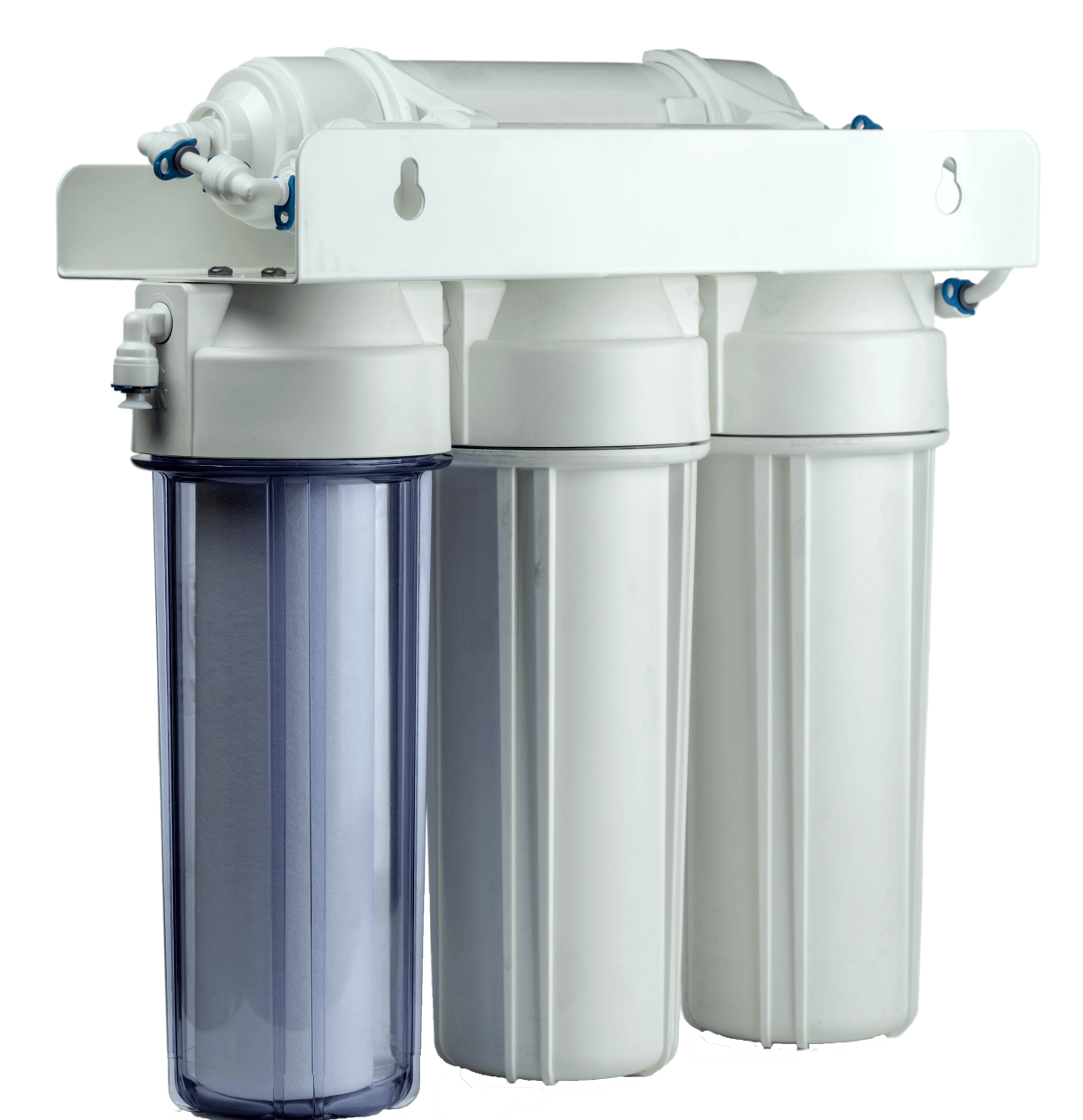
Water filtration reduces specific particles or substances in water. Water softening primarily reduces hardness caused by calcium and magnesium. A sediment filter, for example, can capture suspended particles but will not substantially reduce dissolved hardness minerals.
A conventional ion-exchange water softener replaces calcium and magnesium ions with potassium and sodium ions, depending on the system design. This reduces hardness and the potential for associated scale, but it does not function as a general-purpose contaminant filter.
Carbon filtration also reduces selected chemicals, tastes, and odors.
For facilities with multiple water quality issues, the right solution may combine treatment technologies.
Consider an office where the incoming water has measurable hardness and visible sediment. A softener alone would not address all particulate concerns, while a sediment filter alone would leave dissolved calcium and magnesium in the water.
A combined system may be more appropriate, depending on the testing results and equipment specifications. For a closer look at these differences, Aqua Solutions explains water filters versus water softeners and the problems each is designed to address.
Choosing the Right Type of Commercial Water Filtration
Commercial water treatment is not a single type of equipment. Different technologies target different water quality characteristics, and the right selection depends on the intended application.
Sediment Filtration
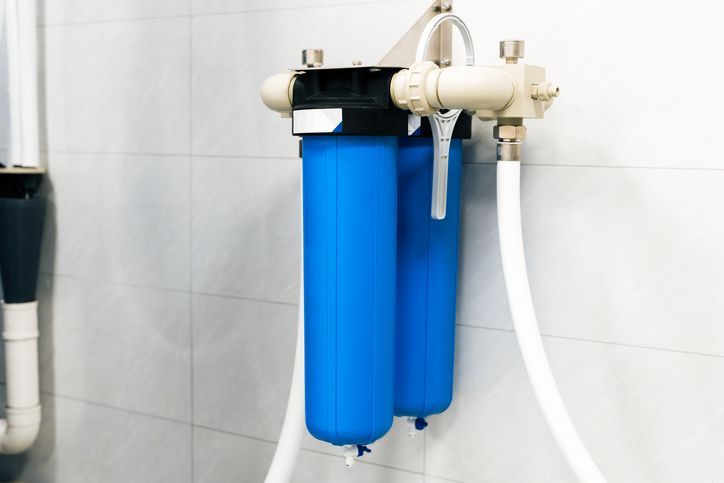
Sediment filters capture suspended particles before they reach plumbing fixtures or equipment.
They may be appropriate where testing or inspection identifies sand, silt, rust particles, or other particulate matter.
Filter ratings, capacity, and replacement schedules should reflect the facility's water conditions and flow requirements. An undersized system may create avoidable pressure loss or require frequent cartridge changes.
Activated Carbon Filtration
Activated carbon filtration commonly improves water taste and odor and reduces selected substances, including free chlorine.
In medical and dental facilities, carbon filtration may be considered for drinking water locations, breakrooms, or equipment applications where the manufacturer identifies a need for particular feedwater characteristics.
However, removing a disinfectant residual can change downstream plumbing conditions. Do not install carbon filtration indiscriminately on specialized equipment water supplies without considering the equipment manufacturer's requirements and applicable water management procedures.
Reverse Osmosis
Reverse osmosis, commonly called RO, uses a semipermeable membrane to remove many dissolved substances from water, including salts and hardness minerals.
This technology may be appropriate for specific applications requiring lower mineral content than a conventional softener can provide.
Some laboratory devices, sterilization systems, and other specialized equipment may require water that meets additional specifications.
Do not automatically select reverse osmosis for every medical or dental facility. Its suitability depends on feedwater conditions, required product water quality, daily demand, available space, wastewater management, and manufacturer specifications.
Additional treatment or monitoring may be necessary when equipment requires a specific water-quality standard.
Commercial Water Softening
Commercial water softeners reduce hardness in water supplies with elevated calcium and magnesium levels.
For appropriate applications, softening can help manage scale formation in plumbing, water heaters, and water-using equipment.
Commercial systems must be sized for more than the building's general water consumption. Hardness level, operating demand, available flow, and regeneration requirements all influence system selection.
Multi-Stage Water Treatment
A facility may need more than one treatment technology.
For example, a properly designed system could use sediment filtration followed by softening to address particles and hardness. A separate reverse osmosis system might then serve an individual application requiring lower dissolved mineral levels.
The treatment sequence must be based on testing and equipment needs rather than a standard package.
Aqua Solutions provides additional information on water filtration systems, including treatment technologies and their intended uses.
Why Commercial Water Treatment Should Be Customized
Two medical offices of similar size can have very different water treatment requirements.
One may occupy a small suite with conventional plumbing and limited specialized equipment. Another may have multiple treatment rooms, dedicated processing equipment, and significant water demand during certain hours.
Choosing the right commercial water treatment system starts with understanding how the facility operates.
Incoming Water Conditions
A water evaluation helps determine hardness, visible particulate concerns, and other relevant water characteristics. The treatment provider should also establish whether the building receives municipal water or uses a private well.
Additional laboratory testing may be needed for substances that cannot be reliably measured through routine field testing.
Water Usage and Peak Flow
Daily water consumption matters, but so does the amount of water the facility may need at one time. A treatment system must support its intended outlets during normal peak operating periods without causing unacceptable pressure loss.
System sizing should account for the number of fixtures and connected equipment, expected operating schedules, and simultaneous demand.
Manufacturer Water Specifications
Medical and dental practices should review equipment water requirements before selecting a treatment system. Some manufacturers specify water hardness, conductivity, pressure, flow, or other parameters. These requirements may differ from those of standard building fixtures.
Dental unit waterlines also require specific maintenance and monitoring. General commercial filtration or softening does not replace the equipment-specific waterline treatment and monitoring procedures recommended by the manufacturer and applicable guidance.
Building Size and Plumbing Layout
Equipment location and plumbing configuration can affect whether treatment should be installed at the building entry point, on a specific branch line, or near an individual device.
For some offices, whole-building treatment may be practical. For others, point-of-use treatment can address a specialized application without treating water that does not require it. Maintenance access, drainage, electrical availability, and installation space also need consideration.
A customized system brings these factors together instead of assuming every outlet should receive identical treatment.
Signs It May Be Time to Evaluate Your Office's Water
Water quality concerns are not always obvious. Facility managers may first notice changes during routine cleaning or equipment maintenance.
Several observations can justify a closer evaluation:
- White scale around faucets or fixtures: This may indicate elevated hardness, although testing is needed to confirm the cause.
- Persistent spotting: Mineral residue on sinks, glassware, or other surfaces may suggest dissolved mineral content.
- Noticeable taste or odor changes: These warrant investigation into the water supply and plumbing conditions.
- Sediment in faucet screens or filters: Recurring particles may indicate a need for filtration or additional plumbing assessment.
- Frequent equipment descaling: Repeated mineral deposits may suggest a review of hardness management.
- Changes in equipment or water demand: Expanding treatment rooms or adding water-dependent devices may change the facility's required flow and treatment capacity.
These conditions do not necessarily mean that an existing system is inadequate or that a particular filter is needed. They are reasons to examine water conditions, review maintenance records, and compare the results with equipment specifications.
An office with existing treatment equipment should also evaluate whether the system is still operating correctly. Filter cartridges, softener settings, membranes, and other components require maintenance appropriate to the equipment and water supply.
Commercial Water Treatment Solutions from Aqua Solutions
Selecting water treatment for a medical or dental facility requires understanding both the incoming water and how it will be used.
Aqua Solutions provides commercial water treatment services for businesses in Western Pennsylvania, including water analysis, filtration, water softening, reverse osmosis, installation, and maintenance.
Instead of choosing equipment based only on building type, the best approach is to evaluate existing water conditions and determine which treatment methods fit the facility's operating requirements.
Depending on the findings, a commercial treatment recommendation may address sediment, reduce hardness, improve taste and odor, or provide additional filtration for a designated application.
For medical and dental facilities, these decisions should also account for equipment manufacturers' requirements. Specialized water treatment and monitoring procedures must remain consistent with applicable equipment instructions.
The goal is to provide water treatment that fits the building's actual needs, supports dependable facility operations, and helps manage avoidable mineral buildup and water-related maintenance concerns.
Schedule a Commercial Water Treatment Consultation
If your medical or dental office is experiencing mineral deposits, sediment, or recurring water-related equipment issues, an evaluation can help you identify next steps. Aqua Solutions can assess your water conditions, discuss your facility's water use, and recommend appropriate commercial filtration or softening options.
Contact Aqua Solutions to schedule a commercial water treatment consultation and discuss the right approach for your facility.
Frequently Asked Questions About Water Treatment for Medical and Dental Offices
Do dental offices need a water softener or a filtration system?
The answer depends on the incoming water conditions and equipment requirements. A softener addresses hardness, while filtration targets particular particles or substances. Some practices may need both, along with separate water treatment for specific equipment.
Can a water softener replace reverse osmosis for specialized equipment?
Not necessarily. A softener reduces calcium and magnesium hardness but does not remove all dissolved salts. Equipment that specifies low dissolved mineral content or conductivity may require reverse osmosis or another suitable treatment method.
Should every water outlet in a medical office receive the same treatment?
No. General plumbing, drinking water outlets, and specialized equipment may have different requirements. Whole-building treatment can address widespread issues, while point-of-use systems may suit specific applications.
When should an office have its water evaluated?
Consider an evaluation when mineral deposits become noticeable, water taste or odor changes, sediment recurs, or equipment maintenance raises water quality concerns. Testing is also useful before installing new water-dependent equipment or expanding a facility.

Author:
Gary Monks
Gary Monks has led Aqua Solutions since 1997, earning recognition as a water treatment expert with 25 years of experience. Renowned in Butler, he has won the Best Water Treatment award for three years and actively supports the community, including local sports and radio engagements.