Commercial Water Treatment for Food Processing: Protecting Equipment and Process Consistency
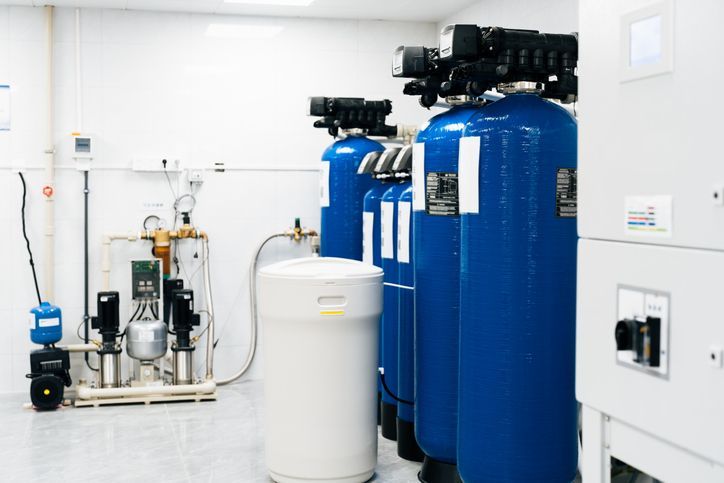
Water quality can affect more than the water entering a food-processing facility. It can influence equipment condition, cleaning performance, mineral buildup, and processes that depend on consistent water characteristics.
For facilities that use substantial volumes of water, these concerns can become part of daily maintenance and production planning. Mineral deposits can build up on heating surfaces, sediment can affect components, and changes in incoming water quality may require adjustments to treatment or operating procedures.
Select commercial water treatment for food processing based on the facility's actual water conditions and operational requirements. Different applications may need different treatment methods, and not every process benefits from the same level of filtration or mineral removal.
Aqua Solutions provides commercial water testing and treatment options to help businesses evaluate their water quality and identify systems suited to their equipment and applications.
Why Water Quality Matters in Food-Processing Operations
Water serves several purposes in a food-processing facility. Depending on the operation, facilities may use it as an ingredient, during product preparation, for equipment cleaning, or in utility systems. Each application can have different water quality requirements.
Water that directly contacts food or food-contact surfaces must meet applicable sanitary requirements. Some processes also specify mineral content, taste, or other characteristics that affect the finished product.
Equipment applications present different considerations. Water supplied to heaters, piping, washing equipment, and other systems may require treatment to control mineral deposits or protect sensitive components.
Cleaning applications introduce additional requirements. For example, water hardness can affect how certain detergents perform and whether mineral residue remains on surfaces.
These differences make it important to identify where water is used before selecting treatment equipment. Treating every water line the same way may be unnecessary, while treating only one part of a facility may leave other water-related issues unresolved.
Understanding the broader benefits of commercial water treatment can help facility managers determine which applications deserve closer evaluation.
Common Water Issues That Can Affect Commercial Operations
Incoming water can contain dissolved minerals, suspended particles, disinfectant residuals, and other substances. Their concentrations depend on the water source, its treatment history, and distribution conditions. Several characteristics are particularly relevant when evaluating commercial water treatment.
Water hardness refers primarily to dissolved calcium and magnesium. These minerals can contribute to scale formation, particularly where water is heated or concentrated.
Sediment includes suspended particles such as sand, silt, and rust. Depending on particle size and concentration, sediment may collect in filters, restrict small openings, or contribute to wear in certain components.
Dissolved minerals influence the water's overall chemical characteristics. Total dissolved solids, commonly called TDS, provide a general measure of dissolved substances but don't identify which minerals are present.
Chlorine and chloramines are disinfectants used in some municipal water systems. Residual disinfectants may matter for taste-sensitive applications, treatment equipment compatibility, or processes with specific water quality requirements.
Other factors, including pH, alkalinity, iron, and manganese, may also deserve attention.
Not every facility will encounter every issue. Water testing helps identify actual conditions rather than relying on assumptions about the incoming supply.
How Hard Water Creates Scale in Commercial Equipment
Hard water is a common consideration in commercial water treatment because calcium and magnesium can contribute to mineral deposits.
When water conditions change, especially during heating, calcium carbonate and other minerals may precipitate and form scale on equipment surfaces.
Scale can develop in equipment and components such as:
- Heating elements and heat-transfer surfaces
- Hot-water piping and associated fittings
- Valves and narrow water passages
- Water-contact surfaces in washing equipment
- Other components exposed to mineral-bearing water
The extent of buildup depends on hardness, temperature, water chemistry, usage, and equipment operating conditions.
Scale on heat-transfer surfaces can reduce heat-transfer efficiency. Deposits inside piping or components may also restrict flow or increase cleaning and maintenance needs.
For maintenance teams, recurring deposits may mean additional descaling, equipment inspections, or component servicing. Reducing hardness can help manage calcium- and magnesium-related scaling, but the appropriate treatment depends on the water chemistry and the equipment involved.
Existing deposits, for example, may require separate cleaning. Installing a softener does not automatically remove accumulated scale from every surface.
The goal is to address the underlying conditions contributing to buildup and establish a manageable maintenance approach.
Commercial Filtration for Sediment, Taste, Odor and Other Concerns
Commercial filtration can address specific water quality concerns, but the term "filtration" covers several treatment methods.
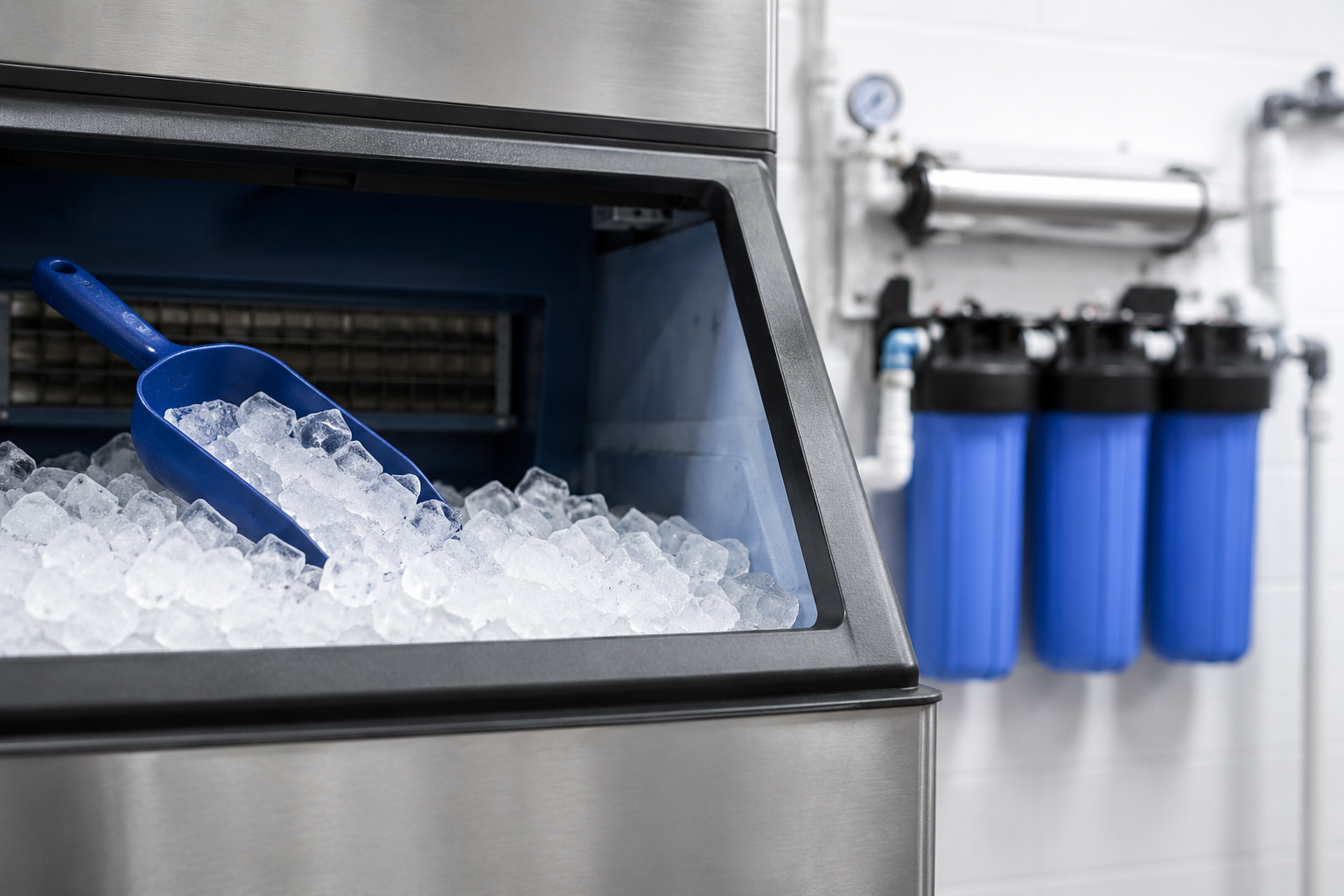
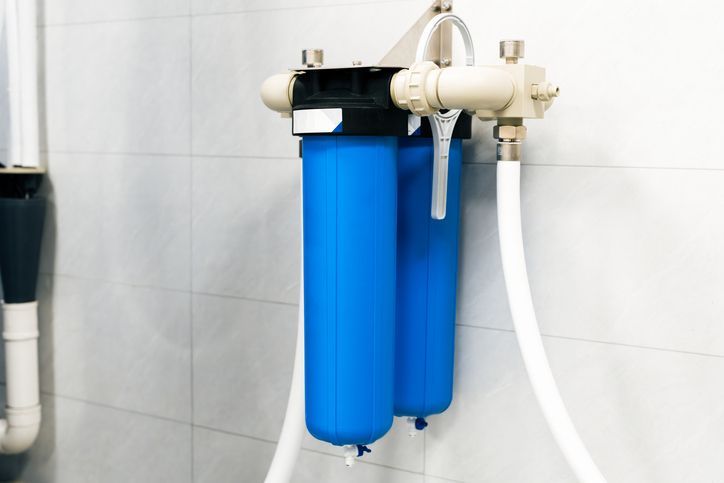
A sediment filter captures suspended particles within its rated filtration range. Depending on the filter design, it may help reduce particulate material before water reaches valves, downstream equipment, or other treatment components.
Activated carbon filtration serves a different purpose. Appropriate carbon systems can reduce free chlorine and certain compounds associated with unwanted tastes or odors. Chloramine reduction requires suitable media and operating conditions, so select treatment based on the disinfectant actually present.
Other filtration technologies may work for specific substances, depending on water testing and your treatment objective. A sediment filter does not replace a water softener, and a carbon filter does not automatically remove dissolved hardness minerals.
When selecting a filter, consider the substances being addressed, required flow rate, operating pressure, maintenance frequency, and manufacturer specifications.
In food-processing settings, filter materials and equipment must also suit their intended use. Removing chlorine or other disinfectant residuals can change downstream microbial control considerations, making proper system design and maintenance particularly important.
When Food Processors May Need Water Softening
Water softening may be appropriate when hardness contributes to equipment scaling, cleaning difficulties, or recurring maintenance concerns.
Conventional ion-exchange water softeners reduce calcium and magnesium by exchanging them for other ions, typically sodium. This process addresses hardness without removing all dissolved substances from the water.
For commercial facilities, potential applications include equipment supplied with heated water, wash systems affected by hardness deposits, and other operations where scale control is an identified priority.
Softening may also help certain cleaning agents perform more consistently when hardness is interfering with their intended action. Actual results depend on the cleaning chemistry, water conditions, and process.
Sizing is especially important in high-volume applications. Evaluate a commercial softener for both treatment capacity and the flow rates required by the facility.
Also consider regeneration requirements, salt use, available space, drainage, and maintenance arrangements.
Water softening is not automatically appropriate for every processing line. Some applications require a particular mineral profile, while others may not have enough hardness-related problems to justify treatment.
When Reverse Osmosis May Be Appropriate
Reverse osmosis, or RO, uses pressure to push water through a semipermeable membrane that rejects many dissolved substances.
Consider it when a food-processing operation needs tighter control over dissolved mineral content than conventional filtration or softening can provide.
Potential applications include certain ingredient-water uses, specialized rinsing processes, or equipment with defined limits for dissolved substances.
RO can also reduce the impact of variations in incoming mineral concentrations, but consistent output depends on system design, operating conditions, membrane performance, and ongoing monitoring.
Not every food processor needs reverse osmosis.
Some processes benefit from retaining specific minerals, and others can operate effectively with filtration or softening alone. RO also introduces practical considerations, including membrane pretreatment, water recovery, concentrate disposal, storage, and maintenance.
For applications that require a specific mineral composition, additional conditioning or blending may be needed after RO treatment.
Before recommending reverse osmosis, the facility should establish the required finished-water characteristics and determine whether less intensive treatment can meet them.
Why Food Processors May Need Multiple Treatment Stages
A single water treatment technology may not address every concern identified during testing.
For example, a facility may have sediment in its incoming water while also experiencing hardness-related scale. Sediment filtration can remove suspended particles, while softening reduces hardness.
If a separate production application requires lower dissolved mineral concentrations, consider reverse osmosis for that specific water stream.
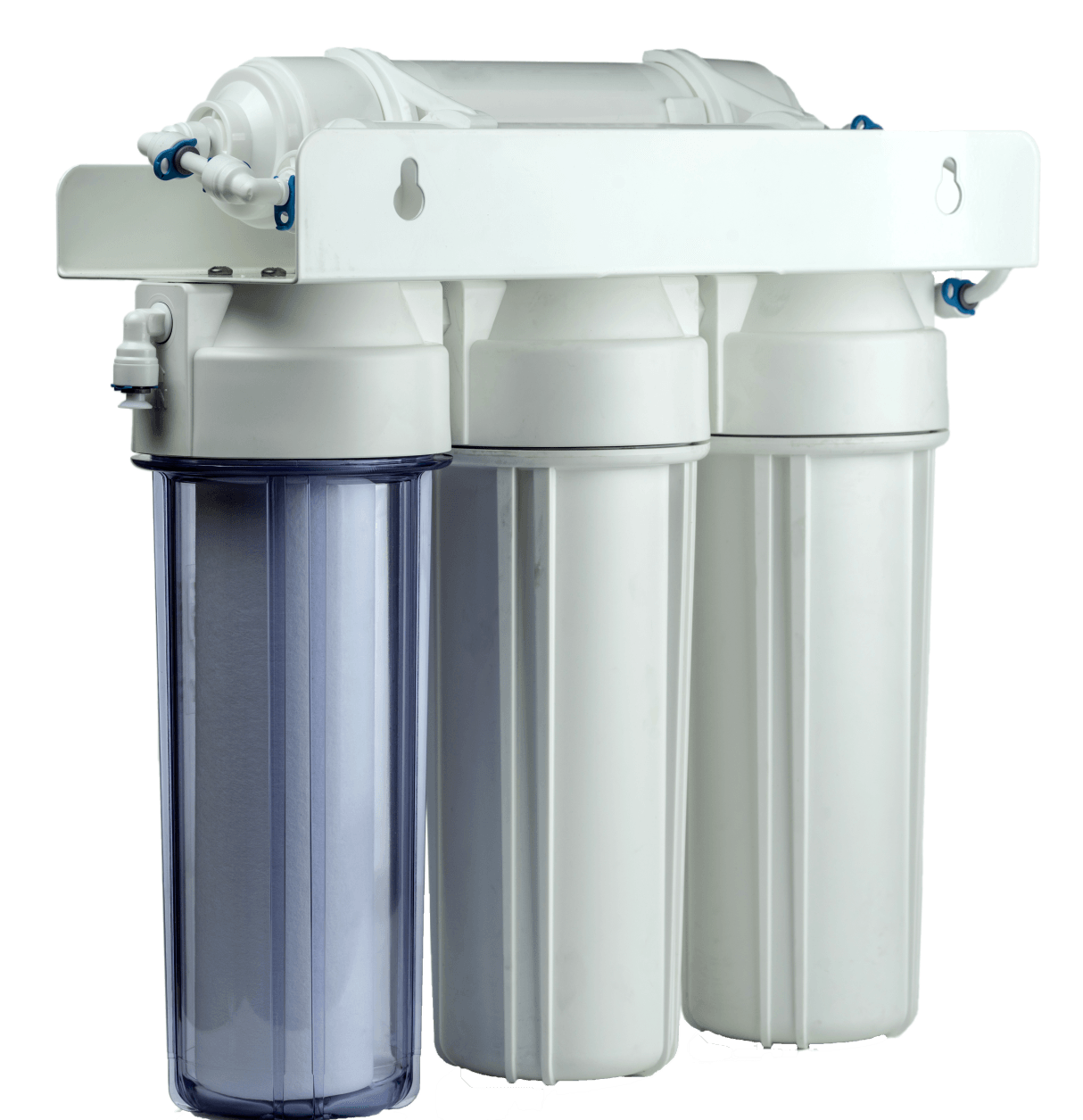
A treatment arrangement could involve pre-filtration, softening, and RO in sequence, but only when the water analysis and operating requirements justify those stages.
Pretreatment is particularly important when protecting sensitive downstream components. For example, RO membranes may require specific controls for particulate matter, hardness, and oxidizing disinfectants, depending on the membrane and feedwater conditions.
In some facilities, treating individual points of use may be more practical than installing one system intended to meet the most demanding specification throughout the building.
Other technologies, including ultraviolet disinfection, may be appropriate when microbiological treatment objectives and system conditions support their use. Such systems require proper design and do not replace broader sanitary controls.
For a comparison of available technologies, explore the different types of commercial water treatment.
What to Evaluate Before Selecting a Commercial System
Selecting a commercial water treatment system starts with water analysis and a clear understanding of how the facility uses water. Equipment selection should follow those findings, not precede them.
Several factors deserve careful evaluation.
Incoming Water Quality
Testing should identify the characteristics relevant to the proposed treatment. These may include hardness, TDS, pH, alkalinity, sediment, iron, manganese, and disinfectant residuals.
Additional laboratory analysis may be necessary when process requirements or potential contaminants call for it.
Daily Water Demand and Peak Flow
Average daily consumption helps establish treatment capacity, but peak flow determines whether equipment can keep up during periods of high demand.
Simultaneous water use across multiple production or cleaning operations may influence system sizing.
Process and Equipment Requirements
The facility should review water quality specifications for its equipment and processing applications.
Temperature, operating pressure, acceptable mineral concentrations, and required water quality at particular points of use can influence treatment selection.
Maintenance and Operating Requirements
Commercial treatment systems need ongoing attention. Depending on the technology, maintenance may involve filter replacement, softener regeneration, membrane cleaning, performance testing, and periodic component servicing.
Facilities should consider how they will schedule maintenance, who will perform it, and whether they can monitor treatment performance.
Space, Utilities and Installation Conditions
Available space, electrical requirements, drainage, wastewater handling, and the existing plumbing arrangement can affect installation planning.
These details help determine whether a proposed system is practical for the facility.
The selected system should also fit the operation's food safety and regulatory requirements. Water treatment equipment alone does not establish compliance or replace necessary sanitation and verification procedures.
Build a Commercial Water Treatment System Around Your Operation
Food-processing facilities have different equipment, operating schedules, and water quality requirements. An effective treatment approach starts with identifying which water characteristics affect your specific operation.
Aqua Solutions offers commercial water testing, filtration, water softening, reverse osmosis, and maintenance services. These options provide a starting point for evaluating potential solutions based on actual water conditions and business needs.
Whether your facility experiences recurring scale or sediment problems, or needs more consistent water characteristics for a particular application, the next step is to determine what treatment is necessary and where to apply it.
Contact Aqua Solutions to discuss your facility's commercial water treatment needs. Their team can help evaluate your water quality and available treatment options so you can plan a system around your equipment, water usage, and operational requirements.

Author:
Gary Monks
Gary Monks has led Aqua Solutions since 1997, earning recognition as a water treatment expert with 25 years of experience. Renowned in Butler, he has won the Best Water Treatment award for three years and actively supports the community, including local sports and radio engagements.